TL;DR

Get business pricing on tools and workshop supplies
- Business-only prices and quantity discounts
- Tax-exempt purchasing
- Multiple users, one account, clear invoices
Ideal Home’s garden guide identifies five practical items for keeping an outdoor space orderly in autumn: leaf-clearing equipment, a compost bin, sharp pruning tools, weather-resistant storage and a lawn mower. The advice is based on comments from gardening experts, but it is a seasonal checklist, not a report of new research or a guarantee that each item is necessary for every garden.
Ideal Home has published a five-item checklist for keeping gardens orderly in autumn, recommending leaf-clearing equipment, a compost bin, pruning tools, outdoor storage and a lawn mower. The guide draws on comments from gardening experts and focuses on practical jobs such as clearing slippery leaves and protecting tools from wet, cold weather; it does not establish that every garden needs all five items.
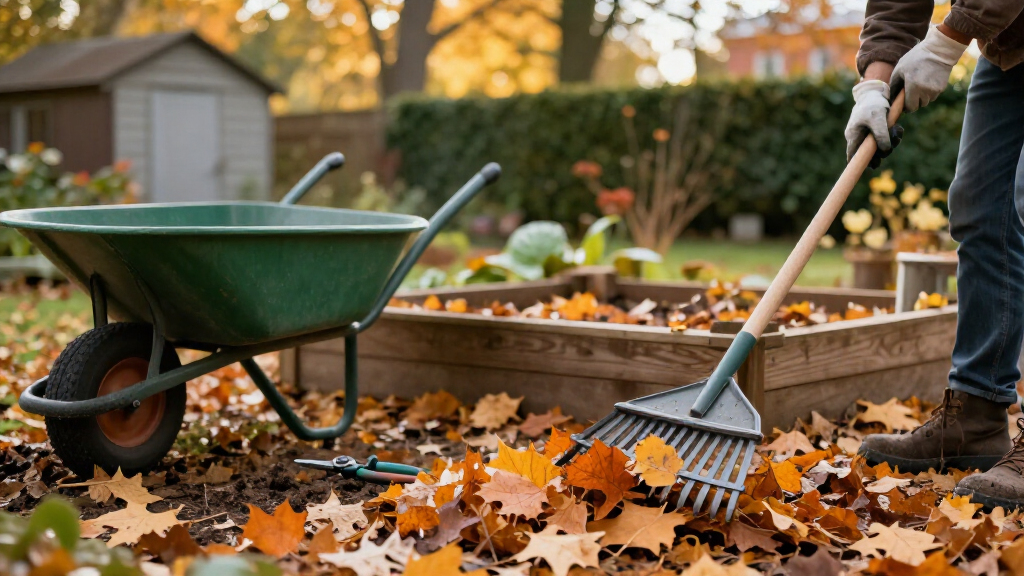
The first recommendations address fallen leaves and the debris they create. The guide suggests using a leaf blower, garden vacuum or collector to clear paths, patios and decking. Olly Peabody, CEO of garden-care company Envii, said leaves and twigs on those surfaces can become slip or trip hazards. The source also notes that leaf-clearing equipment varies, with some garden vacuums able to handle wet leaves.
For the collected material, the article recommends a compost bin as a way to contain leaves and suitable prunings and turn them into material that could be used as mulch later. Peabody said gardeners with enough space could use a bin for this purpose. The advice includes a caution: diseased plant material should be discarded, rather than added to compost, to reduce the risk of spreading disease to future plants.
The remaining suggestions are a pair of clean, sharp secateurs or other pruning tools, outdoor storage and a lawn mower. Peabody said clean secateurs can help gardeners prune without spreading disease. Lucie Bradley, a gardening and greenhouse expert at Harvst, recommended tidying climbing roses and woody shrubs near fences, saying this can help air circulate and reduce the risk of weaker branches being torn in high winds. Bradley also described sheds for larger equipment and storage boxes or patio cupboards for smaller items, including tools, hoses and cushions. The article says mowing may still be needed before winter, but gives no universal final mowing date.
Safer Paths and Better Tool Care
The recommendations connect autumn tidying to everyday safety and garden maintenance, not just appearance. Clearing leaves and twigs from frequently used paving can reduce the chance of slipping or tripping, while storing equipment under cover can help keep it out of rain and cold. Pruning with clean, sharp tools and disposing of diseased material are also presented as steps that may limit problems for plants.
For readers, the checklist is most useful as a way to identify tasks and equipment suited to their own space. A small garden may need only a rake, secateurs and a compact storage box; a larger lawn or a garden with many trees may call for different equipment. The source offers examples of products, but its central advice is about the categories of tools rather than a requirement to buy particular brands.
Products Worth Considering

Dyson Big Ball Multi Floor Canister Vacuum, Yellow

Dyson V8 Cyclone Cordless Vacuum

Roborock Q7 M5+ Robot Vacuum and Mop with Self-Emptying Dock
As an affiliate, we earn on qualifying purchases.
Autumn Jobs Behind the Checklist
The guide is a seasonal service article from Ideal Home, prompted by the writer’s observation that leaves and debris were accumulating in the garden. Its purpose is to help readers organise routine work before winter, rather than announce a change in gardening rules or report a newly published study.
It groups the work into a simple sequence: clear fallen leaves, decide whether suitable debris can be composted, prune plants that need attention, put equipment and outdoor items away, and continue mowing while conditions warrant it. The article names products as examples and includes expert advice from Peabody and Bradley. It does not compare the products through independent testing in the material provided.
“A tidy garden is a safer garden, particularly in autumn.”
— Olly Peabody, CEO at Envii
Needs Vary by Garden and Weather
The article does not specify a single date to stop mowing, a pruning schedule that applies to every plant, or a composting method for all types of garden waste. These choices depend on local weather, plant type and garden conditions. Its comments about a relatively mild autumn refer to the source article’s circumstances and should not be treated as a current forecast.
The source also does not establish that the named products are independently tested or the best choices for every budget or garden. Readers should check equipment specifications and follow manufacturer instructions, particularly for powered tools. The advice is a practical guide, not a substitute for plant-specific guidance where disease, pruning or local conditions are a concern.
Match Tools to Seasonal Jobs
The next steps are routine and depend on conditions: clear leaves from walking surfaces, compost only appropriate plant material, inspect plants before pruning, and store tools and outdoor items somewhere suitable. Gardeners can continue mowing while grass is growing and conditions allow, rather than relying on a fixed date. The source gives no scheduled follow-up or further announcement; its advice is intended for use across autumn as garden conditions change.
Key Questions
What five items does the guide recommend for an orderly autumn garden?
It lists leaf-clearing equipment, a compost bin, pruning tools, outdoor storage and a lawn mower. The article presents these as useful options, not a mandatory shopping list for every garden.
Why should fallen leaves be cleared from paths and patios?
Envii CEO Olly Peabody said leaves and twigs can make paths, patios and decking slippery or create trip hazards. Clearing them can help keep those surfaces safer to walk on.
Can all autumn leaves and prunings go into a compost bin?
No. The source recommends composting suitable leaves and debris but says diseased plant material should be discarded to help prevent disease spreading to future plants.
When should gardeners stop mowing for winter?
The article does not give a single cutoff date. It says mowing may continue while conditions allow, so the decision depends on grass growth and local weather.
Source: idealhome.co.uk