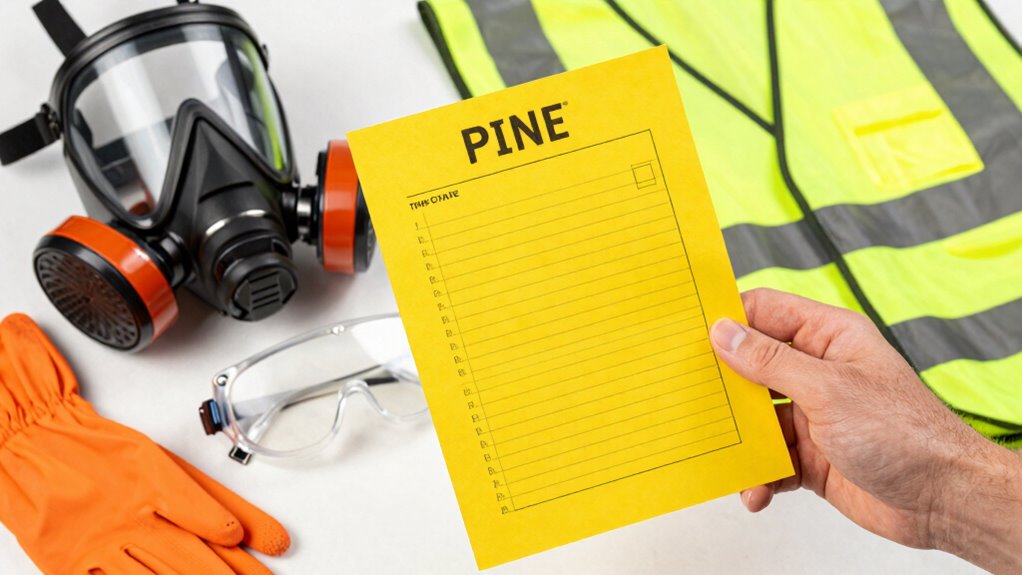

Before starting spraying, do a quick PPE check to make certain all gear is in place and undamaged. Inspect gloves for tears, proper fit, and chemical resistance. Confirm goggles or face shields sit snugly and are free of cracks. Verify your respirator seals properly, filters are clear, and it fits correctly. Check clothing and footwear for tears and proper coverage. Keeping your PPE in top shape is crucial—stay tuned to learn more about maintaining your safety gear effectively.
Key Takeaways
- Verify all PPE fits properly and shows no signs of damage or wear before starting spraying.
- Ensure gloves, goggles, and masks are clean, intact, and securely positioned for protection.
- Check that respiratory filters function correctly and seals are tight around nose and mouth.
- Confirm protective clothing and footwear are in good condition and fully cover exposed skin.
- Inspect work area and tools to ensure PPE is readily accessible and in proper working order.
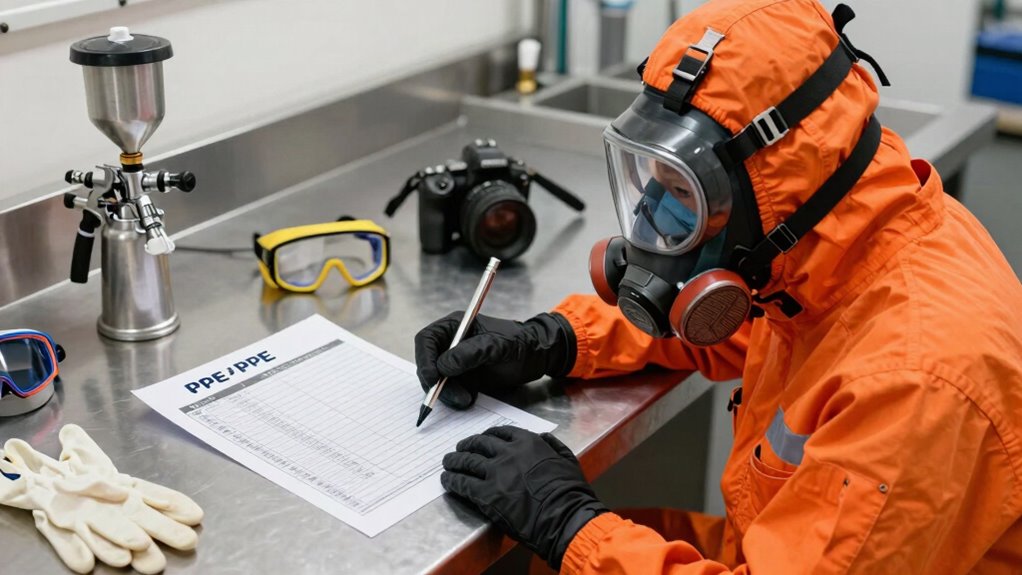
When it comes to spraying tasks, ensuring you wear the right personal protective equipment (PPE) is essential for your safety. Before you start, take a moment for a quick pre-job scan to confirm you have all necessary safety gear in place. Proper PPE is your first line of defense against potential hazards, whether you’re working with chemicals, pesticides, or other substances. It helps prevent contamination from those substances reaching your skin, eyes, or respiratory system, and minimizes the risk of accidental exposure.
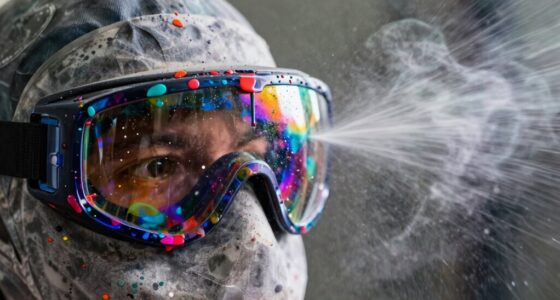
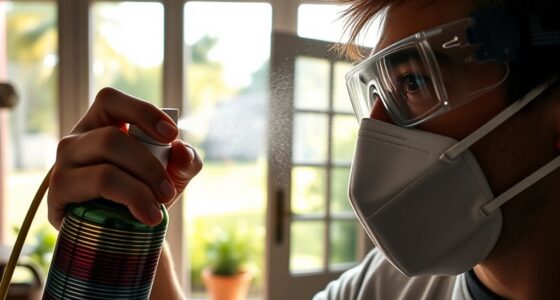
Begin by checking your gloves. They should be chemical-resistant if you’re handling hazardous substances. Make sure they fit well, without tears or holes, to ensure full coverage and protection. Next, verify your eye and face protection. Safety goggles or a full-face shield should sit snugly to prevent splashes from reaching your eyes or face, which can cause serious injury or contamination. Don’t forget to inspect your respirator or mask. It needs to seal properly around your nose and mouth, filtering out harmful airborne particles or fumes. If you notice any cracks, tears, or if your equipment has been used extensively, replace or adjust it accordingly. The integrity of your respiratory PPE is vital for contamination prevention.
Check your body protection. Depending on the task, this could include coveralls, aprons, or long-sleeved clothing made from chemical-resistant materials. Confirm they are clean, free of tears, and fit comfortably to avoid any exposure gaps. Proper maintenance of PPE can extend its lifespan and effectiveness, further enhancing your safety measures. Regularly inspecting your PPE is an important aspect of preventative safety measures to ensure consistent protection. Additionally, understanding the proper storage of PPE can help maintain its protective qualities over time. Footwear should be sturdy, closed-toe, and chemical-resistant if necessary, providing stable footing and additional protection from spills or splashes.
Finally, inspect your work area and tools. Ensure your PPE is within easy reach and in good condition. Properly fitted and functioning safety gear not only safeguards you but also prevents contamination from spreading beyond the work zone. Remember, PPE isn’t just about compliance; it’s about actively protecting your health and safety. A quick pre-job scan keeps you prepared and aware of potential risks, giving you peace of mind to focus on the task at hand. Taking this small step before starting your spraying work can make a significant difference in avoiding accidents and ensuring contamination prevention.

ThxToms Chemical Resistant Nitrile Gloves, Resist Household Acid, Alkali, Solvent and Oil, Latex Rubber Free, 1 Pair Medium
【Heavy-Duty Chemical Resistance】High-end nitrile gloves possess excellent chemical resistance, providing a tough barrier against harsh substances such as…
As an affiliate, we earn on qualifying purchases.
As an affiliate, we earn on qualifying purchases.
Frequently Asked Questions
How Often Should PPE Be Inspected Before Spraying?
You should inspect PPE before each spraying session to guarantee proper fit and functionality. Check for any damage, wear, or deterioration that could compromise protection. Regularly review PPE storage conditions to prevent damage and contamination. Properly stored PPE stays in good condition longer. Always confirm your PPE fits correctly and is in top shape before spraying to maximize safety and effectiveness during the job.
Are There Specific PPE Standards for Different Spraying Materials?
Ever wondered if different spraying materials need specific PPE standards? You should consider material compatibility when selecting PPE, as certain chemicals or substances require specialized gear. PPE customization guarantees you’re protected against hazards unique to each material. For example, solvent-resistant gloves for chemicals or respirators for fumes. Tailoring your PPE to the spraying material not only enhances safety but also helps you work efficiently and confidently.
Can PPE Be Reused After Spraying Hazardous Substances?
Yes, PPE can often be reused after spraying hazardous substances, but you must follow PPE Material guidelines and Reuse Guidelines carefully. Inspect the gear thoroughly for damage, contamination, or deterioration before reuse. If the PPE is compromised or contaminated, dispose of it properly. Always clean and decontaminate PPE as recommended, guaranteeing safety for future use. Adhering to these guidelines helps protect you and ensures compliance with safety standards.
What Should Be Done if PPE Is Damaged During Spraying?
If your PPE is damaged during spraying, you should immediately stop work and assess the extent of the PPE damage. If the damage compromises safety, you need to replace the PPE promptly with emergency replacement gear. Never continue working with damaged PPE, as it can expose you to hazards. Always verify that your PPE is intact and properly fitted before resuming spraying to maintain safety standards.
How to Properly Dispose of PPE After Use?
Imagine your PPE like a fragile shield that’s worn down over time. After spraying, you should carefully remove contaminated PPE, avoiding contact with your skin. Follow proper disposal procedures, sealing materials in designated containers to prevent material degradation and contamination. Dispose of PPE at designated waste facilities, ensuring compliance with local regulations. This way, you protect yourself and the environment while maintaining safety standards efficiently.
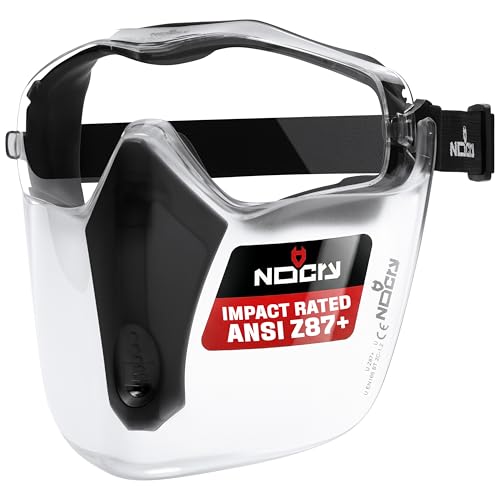
NoCry Safety Face Shield Mask for Work with Premium Anti Fog and Anti Scratch Technology — Durable ANSI Z87.1 Certified Grinding Face Shield with Extreme Impact Resistance
COMPLETE PROTECTION — Pairing anti-fog and scratch-resistant goggles with a tough polycarbonate torch face shield, this unbeatable duo…
As an affiliate, we earn on qualifying purchases.
As an affiliate, we earn on qualifying purchases.
Conclusion
By prioritizing your PPE checklist, you protect yourself from hazards and guarantee a smooth spraying process. Just as a shield guards a knight, your PPE shields you from harm, but neglect can leave you vulnerable. Think of your safety gear as your first line of defense—without it, even the best spray job risks turning dangerous. Stay vigilant, stay protected, and let your careful pre-job scan be the armor that keeps you safe.

3M™ Odor/Particulate Multipurpose Reusable Respirator 65021H1-DC, OV/P100, Mdm, 1-Fcpc and 1-pr of 60921 Crtrdg/Fltr
NIOSH-APPROVED OV CARTRIDGE WITH P100 FILTER filters at least 99.97% of solids and liquid aerosols as well as…
As an affiliate, we earn on qualifying purchases.
As an affiliate, we earn on qualifying purchases.

Andes Chemical Protection Coveralls, Hazmat Suits, Sealed Seam Chemical Protection Suits with Attached Boots and Hood (1, XL)
Durable Sealed Seam Construction: Andes Safety Chemical Protection Coveralls feature sealed seams, an attached hood, and integrated boot…
As an affiliate, we earn on qualifying purchases.
As an affiliate, we earn on qualifying purchases.