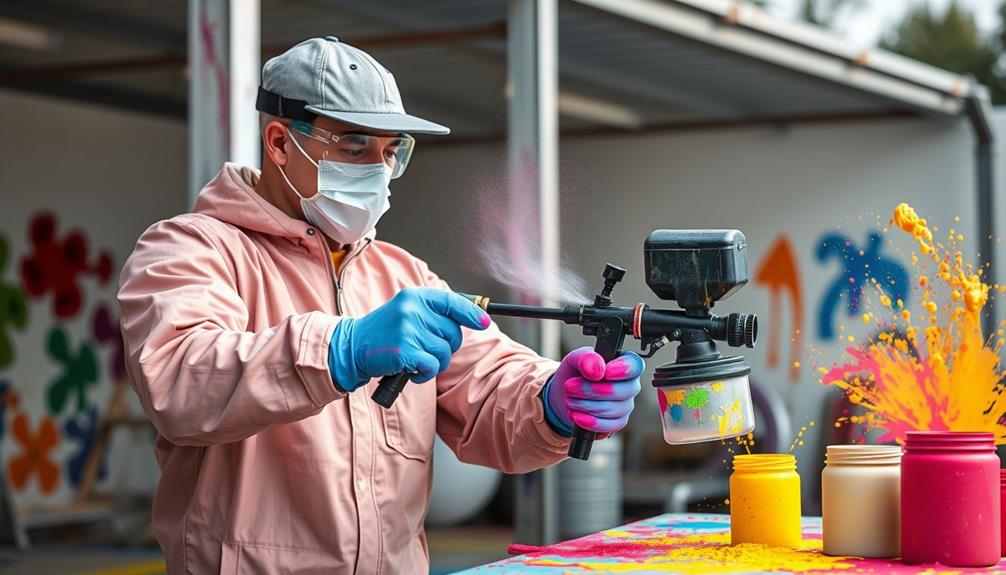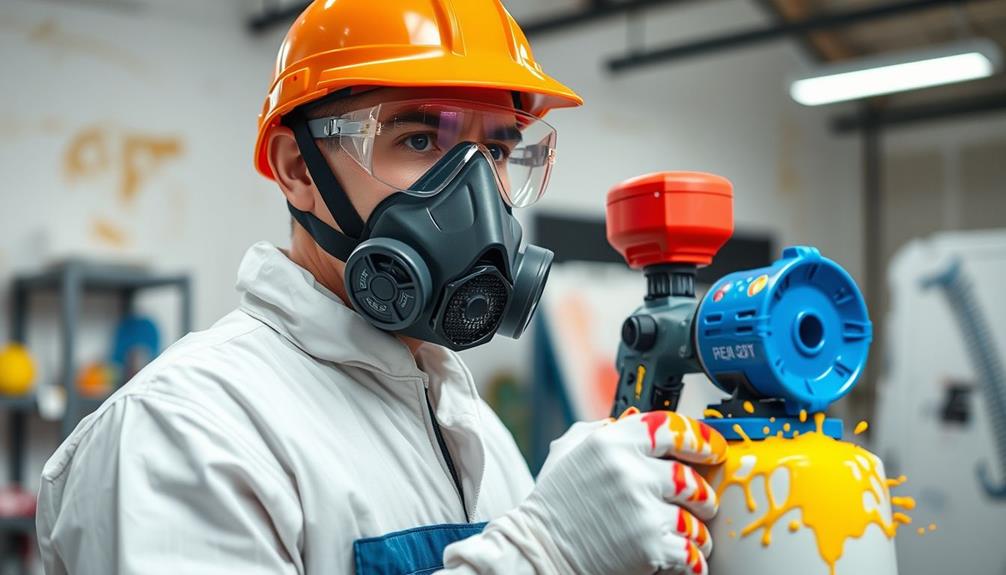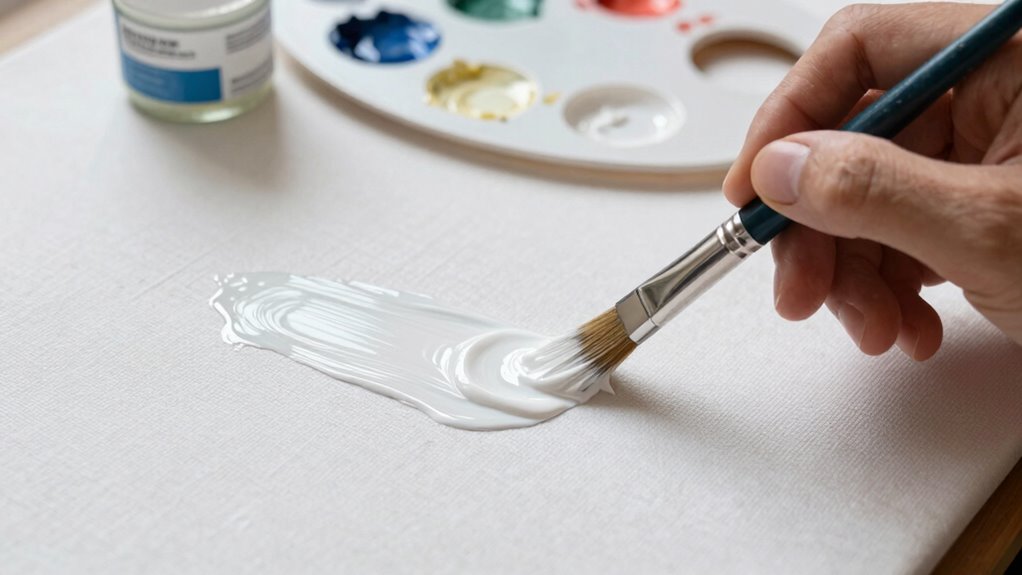

Thinning paint helps you achieve a smoother, more even finish and easier application when done properly, preventing streaks, drips, and brush marks. However, over-thinning makes the paint watery, leading to uneven coating and reduced coverage, while under-thinning makes it too thick to spread smoothly. The key is finding the right balance—too much or too little can wreck your project’s look and durability. If you want to learn how to perfect your thinning technique, keep exploring these tips.

Get business pricing on tools and workshop supplies
- Business-only prices and quantity discounts
- Tax-exempt purchasing
- Multiple users, one account, clear invoices
Key Takeaways
- Thinning improves coverage by enabling smoother application and preventing streaks and brush marks.
- Over-thinning causes paint to become too watery, leading to drips, uneven layers, and reduced durability.
- Under-thinning makes paint thick and difficult to spread, resulting in uneven coats and poor surface finish.
- Proper thinning balances ease of application and coverage, ensuring a uniform, professional-looking surface.
- Environmental conditions and paint type influence thinning needs, affecting drying time and final coverage quality.
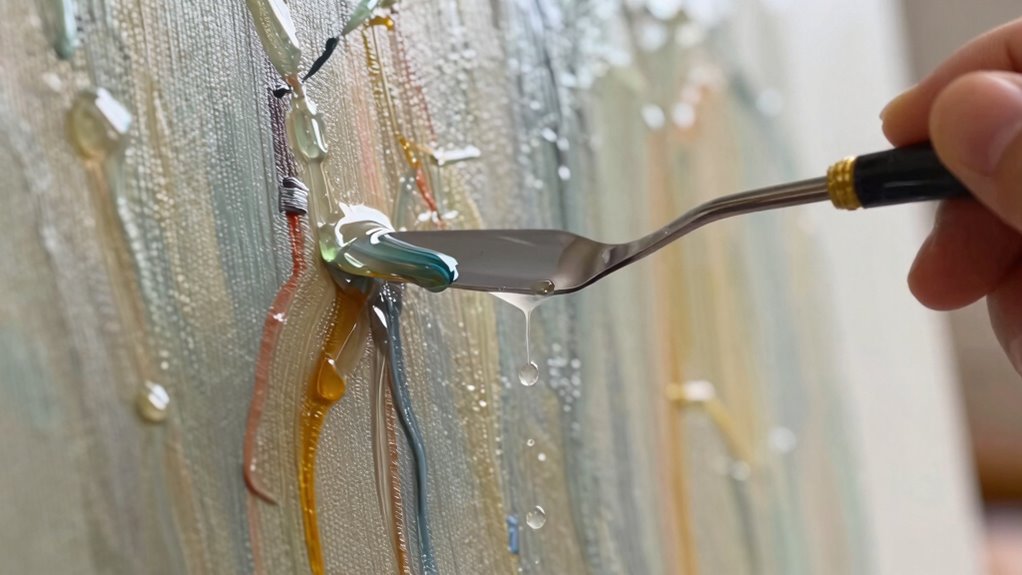
Thinning paint is an essential step to achieve smooth, even coverage and the desired finish in your painting projects. When you thin your paint correctly, you help guarantee that your brush consistency remains ideal, allowing the paint to flow smoothly off your brush without streaks or clumps. Proper thinning also influences the drying time, which can be critical for both the quality of your work and your schedule. If your paint is too thick, it can be difficult to spread evenly, leading to uneven coats, drips, or brush marks. Conversely, if it’s too thin, you risk sacrificing coverage and durability, which can cause the paint to wear away faster.
When you thin your paint, you’re essentially reducing its viscosity, which makes it easier to manipulate with your brush. Achieving the right brush consistency depends on how much you thin the paint — too much, and it becomes watery, causing it to run and create uneven layers; too little, and it remains thick and difficult to apply smoothly. A good rule of thumb is to thin the paint gradually, using small amounts of solvent or water, and testing it on a scrap surface before applying it to your project. This way, you can find the perfect balance that allows for smooth application without compromising coverage or finish. Additionally, understanding paint viscosity can help you better control the thinning process and achieve optimal results. Knowing the proper tools for measuring and mixing can also make this process more precise and consistent. Using the right measurement techniques ensures that you maintain control over the thinning process and prevent issues caused by over- or under-thinning. It’s also helpful to be aware of paint type differences, as some paints require different thinning methods or agents for best results.
The drying time is another key factor to keep in mind when thinning paint. When you add thinning agents, it generally speeds up the drying process because the thinner paint layer evaporates faster. However, if you over-thin, you risk creating a film that dries too quickly, which can lead to brush marks, uneven texture, or even cracking as the paint contracts during drying. Proper thinning techniques can help prevent these issues and ensure a more uniform finish. On the other hand, if you don’t thin enough, the paint might take longer to dry, especially in humid conditions, which can delay your project and increase the chance of smudges or dust settling into the wet surface.
paint thinning ratio measurement tools
As an affiliate, we earn on qualifying purchases.
As an affiliate, we earn on qualifying purchases.
Frequently Asked Questions
Can Thinning Paint Affect Its Durability Over Time?
Thinning paint can affect its durability over time if you don’t use proper thinning techniques. When you make the paint too runny or dilute it excessively, it can weaken the paint film, making it more prone to cracking and peeling. On the other hand, maintaining the right paint consistency guarantees better adhesion and longevity. So, always thin your paint carefully, following recommended techniques for maximum durability.
What Are the Safest Solvents for Thinning Paint?
You should choose solvents with low solvent toxicity to guarantee safety. Mineral spirits and water-based options like acrylic mediums are safer choices, as they have less environmental impact and reduce health risks. Avoid harsh solvents like turpentine or paint thinners, which are more toxic and harmful to the environment. Always work in well-ventilated areas and follow safety guidelines to minimize exposure and environmental effects.
How Does Thinning Paint Impact Color Accuracy?
Thinning paint can affect color accuracy by altering pigment dispersion, potentially leading to inconsistent color. For example, if you thin with too much solvent, the paint may appear faded or less vibrant on the surface. This compromises color consistency, making your finished project look uneven. To maintain true colors, use minimal thinning and choose compatible solvents, ensuring the pigments stay well-distributed and the hues remain true to the original shade.
Is Thinning Necessary for All Types of Paint?
Thinning isn’t necessary for all types of paint; it depends on the desired paint consistency and your specific project. You might use thinning techniques with thicker paints like oil or latex to improve flow and application, but for thin, already-consistent paints, thinning could weaken coverage. Always assess your paint’s initial consistency and follow manufacturer recommendations to decide if thinning will help or hinder your work.
Can Thinning Paint Cause Issues With Adhesion?
Yes, thinning paint can cause issues with adhesion if you don’t adjust your application techniques accordingly. When paint becomes too runny or inconsistent in paint consistency, it may not stick properly to surfaces, leading to peeling or chipping over time. To avoid this, guarantee you thin paint only as needed, follow proper application techniques, and maintain the right paint consistency for your project.
Conclusion
Thinning paint can be your best friend or your worst enemy, depending on how you use it. When done right, it enhances flow and smooths your finish, like a gentle breeze that clears the way. But if you overdo it, coverage becomes elusive, like trying to see through fog. So, strike the right balance—embrace the clarity thinning offers, but beware of turning your project into a blurry mess. Your perfect finish depends on it.
Fall yard work Picks
leaf blowers
As an affiliate, we earn on qualifying purchases.