
TL;DR

Get business pricing on tools and workshop supplies
- Business-only prices and quantity discounts
- Tax-exempt purchasing
- Multiple users, one account, clear invoices
An Ideal Home report outlines five ways gardeners can reuse autumn plant clippings: make leaf mould, chop and drop stems on borders, create wildlife habitat, add suitable material to compost and use clippings as mulch. Experts advise keeping diseased or seeding material out of compost and avoiding thick layers of wet grass around plants.
An Ideal Home report has outlined five ways to reuse garden clippings this autumn, including turning leaves into leaf mould, chopping stems onto borders and adding suitable material to compost. The advice, attributed to horticultural and gardening experts, offers alternatives to disposing of pruning waste while flagging materials and practices that can cause problems.
One option is to collect leaves from deciduous plants and make leaf mould. Richard Barker, horticultural expert and commercial director of LBS Horticulture, advises putting the leaves in a black bin bag with air and drainage holes, loosely tying it and leaving it for about a year. He says the finished material should be dark, soft and crumbly, and can be used as mulch or mixed with compost when planting.
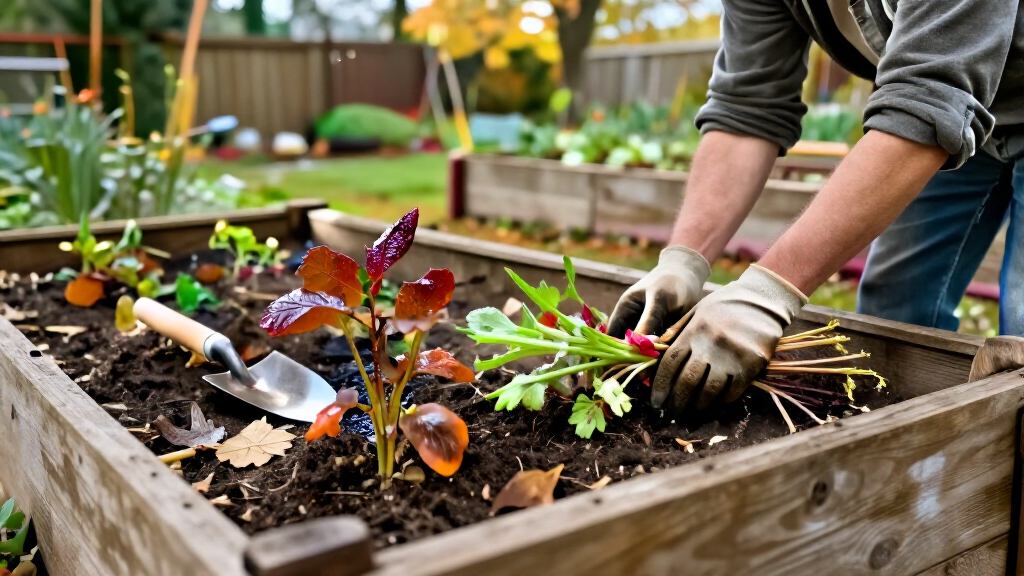
For herbaceous borders, gardening expert Melissa Quinney of Cabin Master recommends the “chop and drop” method: cut spent stems and foliage into smaller pieces and leave them on the soil. Quinney says the material can break down over winter, returning organic matter to the soil and providing shelter for beneficial insects. The report also suggests leaving suitable clippings in piles or retaining hollow trimmed stems to offer wildlife shelter.
Most soft stems, spent flowers and grass cuttings can be added to a compost heap, according to Quinney. She cautions against adding perennial weeds, diseased material or plants that have gone to seed. The fifth use is mulch: clippings can be laid in a thin layer around plants. Barker warns against placing fresh, wet grass clippings thickly over plant crowns because they can become slimy, restrict air and contribute to stem rot.
Less Garden Waste, More Soil Use
Reusing suitable clippings can keep some pruning material out of the garden waste stream and return organic matter to beds or compost. Leaf mould takes time to mature, while chopped stems and compostable scraps can begin breaking down during the colder months. These approaches may help gardeners prepare soil and mulch for later use, although the report does not quantify any effect on plant health, waste volumes or costs.
The advice also draws attention to the trade-offs: clippings are not all suitable for every use. Diseased or seeding plants may create problems in compost, and a thick, wet grass layer around plant crowns can harm rather than help. Choosing the method according to the material is central to using it safely in the garden.
Products Worth Considering

Arlo Essential Wireless Security Camera 2K (3rd Gen) – 3-Cam Kit with Yard Sign

eufy Security SoloCam E42 4-Camera Kit, 4K Solar Security System

Hisense E6SR Series 55-Inch 4K UHD Hi-QLED Roku Smart TV
As an affiliate, we earn on qualifying purchases.
Autumn Pruning Leaves Material
The report is framed around plants that may be pruned in October and asks what gardeners can do with the material left behind. It presents reuse as an alternative to treating all cuttings as waste, with methods suited to different materials: leaves can be stored for leaf mould, soft stems can be chopped onto borders, and suitable scraps can go into a compost heap.
The source attributes its recommendations to Barker and Quinney. It does not identify particular plant species that should be pruned, nor does it give a location-specific pruning calendar. Gardeners therefore need to follow advice suited to their plants and local conditions rather than treating October as a universal pruning date.
““You can use fallen or clipped leaves in your garden to make leaf mould.””
— Richard Barker, horticultural expert and commercial director of LBS Horticulture
Limits of the Clipping Advice
The report does not specify which plants should be pruned in October or explain how pruning needs vary by species, climate or region. Its suggestions are general, and it gives no measured comparison of the benefits of each method. It is also unclear how long compost will take to mature under different garden conditions; Quinney says turning the heap occasionally and keeping it moist can speed decomposition but provides no fixed timetable.
The wildlife advice does not name particular species or give guidance on the best location or size for a clipping pile. Gardeners should also distinguish healthy material from diseased plants, weeds and seed-bearing growth before choosing a reuse method.
Sorting Clippings After Pruning
The next step for gardeners is to sort material as it is cut: retain deciduous leaves for leaf mould, chop suitable spent stems for borders, set aside a habitat pile where appropriate, and add compostable scraps to a managed heap. Use a thin layer of suitable clippings for mulch, keeping fresh wet grass away from plant crowns.
Leaf mould will take about a year to form under Barker’s method. Quinney says a compost heap kept moist and turned occasionally can provide material for use the following spring, though the source gives no guaranteed schedule. The report sets out no further announcement or follow-up; results will depend on the material collected and how it is handled.
Key Questions
What are five ways to reuse autumn garden clippings?
The report suggests making leaf mould, chopping stems onto borders, using suitable material as wildlife shelter, adding compostable clippings to a heap and laying clippings as mulch.
How do you make leaf mould from clipped leaves?
Richard Barker advises putting deciduous leaves in a black bin bag with air and drainage holes, tying it loosely and leaving it for about a year. Finished leaf mould should be dark, soft and crumbly.
What should not go into the compost heap?
Melissa Quinney advises keeping out perennial weeds, diseased material and plants that have gone to seed, as these may cause problems later.
Can grass clippings be used as mulch?
They can be used in a thin layer, but Barker warns against packing fresh, wet grass over plant crowns. A thick wet layer can become slimy, restrict air and contribute to stem rot.
How long does leaf mould take to make?
Barker’s suggested bag method takes about a year. The report does not give a more precise timeline for different leaves or garden conditions.
Source: rss