
To detect hidden air leaks that cause bubbles in your line, you should perform a pressure test using air or helium to monitor pressure drops over time, indicating leaks. You can also check for hissing sounds, use ultrasonic leak detectors, or apply soap bubbles for visual clues. Regular inspections and proper sealing help prevent these issues. Keep exploring to find effective strategies for pinpointing and fixing these elusive leaks before they cause more damage.
Key Takeaways
- Conduct pressure testing with air or helium to detect pressure drops indicating hidden leaks.
- Use ultrasonic or soap bubble methods to visually confirm the presence of air leaks.
- Isolate sections of the line systematically to pinpoint the exact location of the air leak.
- Regularly inspect fittings and seals to prevent air ingress and maintain system integrity.
- Address identified leaks promptly to prevent cavitation, noise, and system inefficiencies.
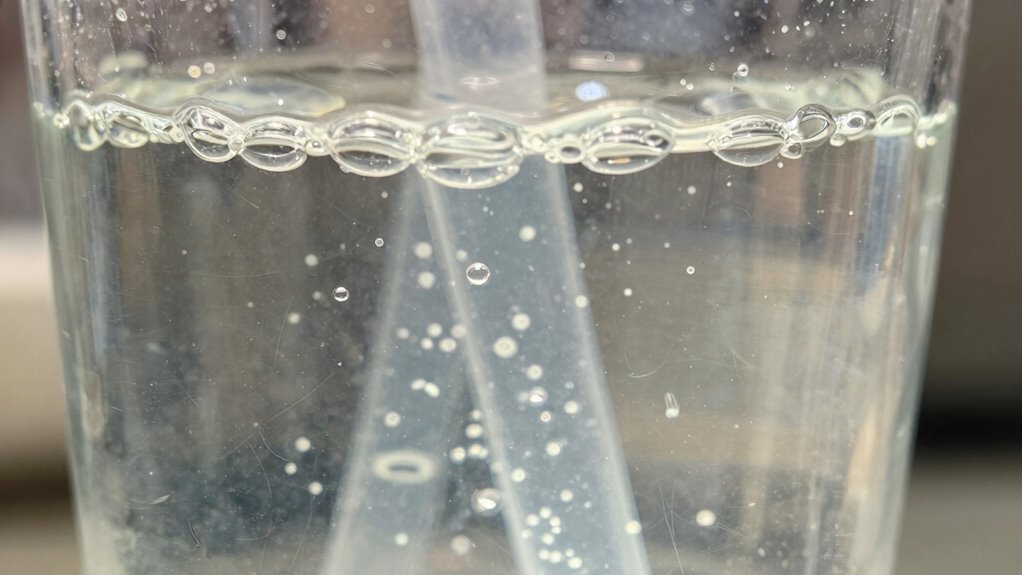
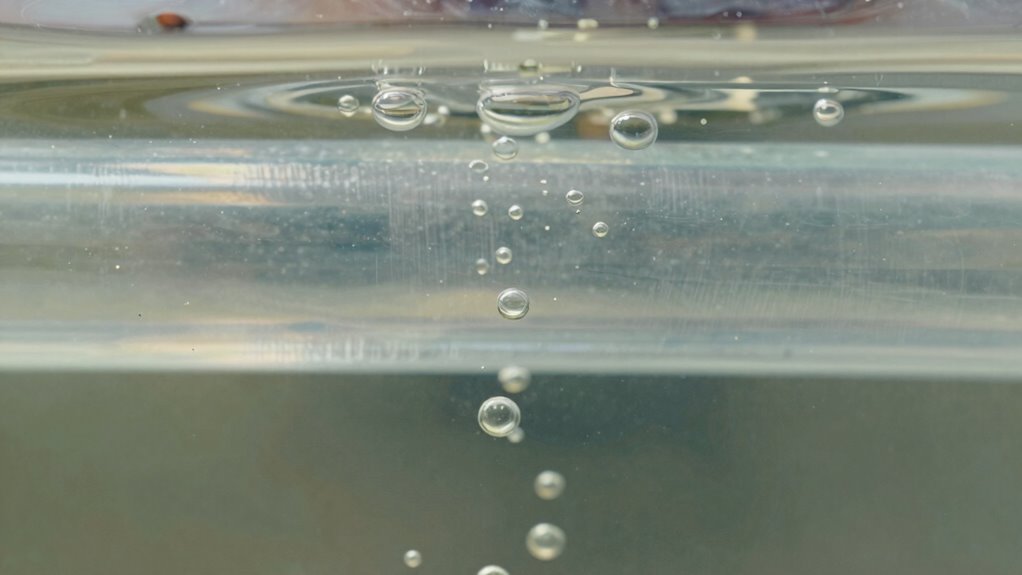
Air bubbles in the line can cause significant issues in fluid systems, disrupting flow and reducing efficiency. They often go unnoticed until they create bigger problems, such as pressure drops or equipment damage. That’s why understanding how to detect these bubbles early is vital. One of the most effective methods for identifying air leaks and ensuring system integrity is through pressure testing. This process involves pressurizing the system with a specific fluid, usually air or helium, and monitoring for pressure drops that indicate leaks. When performing pressure testing, you pay close attention to the system’s pressure stability over time. A sudden or gradual decrease in pressure signals the presence of an air leak or a point where air is escaping, leading you to suspect the presence of air bubbles or leaks in the line.
Leak detection during pressure testing isn’t just about identifying a leak; it’s about pinpointing its exact location. As you conduct these tests, you may notice fluctuations in pressure or hear hissing sounds that reveal the leak’s whereabouts. By systematically isolating sections of the line, you can narrow down the source of the problem. This process helps prevent future issues by allowing repairs before the system is put back into operation. Leak detection methods such as ultrasonic testing or soap bubble solutions can supplement pressure testing, providing visual confirmation of leaks. These techniques are especially useful for small leaks that might not cause immediate pressure drops but can still introduce dangerous air bubbles into the system.
When air bubbles form in the line, they often originate from tiny leaks or improper sealing. If overlooked, these bubbles can cause cavitation, noise, or inaccurate readings in your fluid systems. To prevent this, you need to be thorough during pressure testing and leak detection processes. Ensuring the system is airtight before operation minimizes the risk of air entering the line during use. You should also consider the system’s design and installation procedures, making sure fittings are tight and seals are intact. Regular inspections and maintenance, including pressure testing and leak detection, will help you keep the system free of air bubbles and operating at peak efficiency. Ultimately, proactive measures save you time and money by avoiding costly repairs or downtime caused by unnoticed leaks or air-related issues. Additionally, using appropriate materials and fittings during installation can help prevent leaks from occurring in the first place.
Frequently Asked Questions
What Causes Air Bubbles to Form in the Line?
You get air bubbles in the line when there’s a disruption in air pressure maintenance, causing air to enter the fluid system. Changes in fluid dynamics, such as rapid flow or sudden pressure drops, create pockets of trapped air. These bubbles form because air seeks the least resistant path, escaping into the line. Ensuring consistent pressure and understanding fluid flow helps prevent bubble formation and maintains system efficiency.
How Can I Prevent Air Leaks From Occurring?
To prevent air leaks, you should regularly perform maintenance tips like inspecting fittings and hoses for wear or damage. Guarantee connections are tight and properly sealed, and replace any worn-out components promptly. Leak prevention also involves checking for cracks or loose fittings that could allow air to escape. By staying proactive with routine inspections and maintenance, you minimize the risk of leaks, keeping your system running smoothly and efficiently.
Are There Warning Signs of a Hidden Air Leak?
You might notice warning signs like pressure loss or water discoloration, which often indicate a hidden air leak. Investigating these signs is vital because pressure drops unexpectedly and water turns murky can signal air escaping into your system. These clues help you identify leaks early, preventing further damage. Keep an eye on your system’s pressure levels and water clarity to catch issues before they escalate, ensuring your setup stays efficient.
What Tools Are Best for Detecting Air Bubbles?
You should use a combination of visual inspection and dye testing to detect air bubbles effectively. During visual inspection, look for any signs of bubbles or irregularities in the line. For more precise detection, dye testing involves adding a special dye to the system; if air leaks are present, the dye will reveal bubbles or leaks clearly. These tools help pinpoint hidden leaks quickly and accurately.
How Often Should I Perform an Air Leak Test?
You should perform an air leak test regularly, ideally as part of your maintenance schedule, to catch leaks early and prevent costly damage. Depending on your system’s usage, do it monthly or quarterly. Consistent testing helps with leak prevention, ensuring your equipment stays efficient and safe. Always follow manufacturer guidelines for frequency, and consider more frequent checks if your system experiences high pressure or heavy use.
Conclusion
So, next time you spot air bubbles in your line, don’t rush to dismiss them as harmless. After all, what’s more reassuring than a tiny leak hiding in plain sight? It’s almost poetic—an invisible flaw that reveals itself only through a simple test. Sometimes, the smallest bubbles remind you that even the quietest leaks can cause the loudest problems. Ironically, what seems insignificant might just be your system’s most glaring warning.