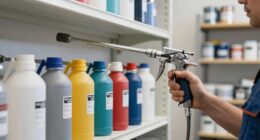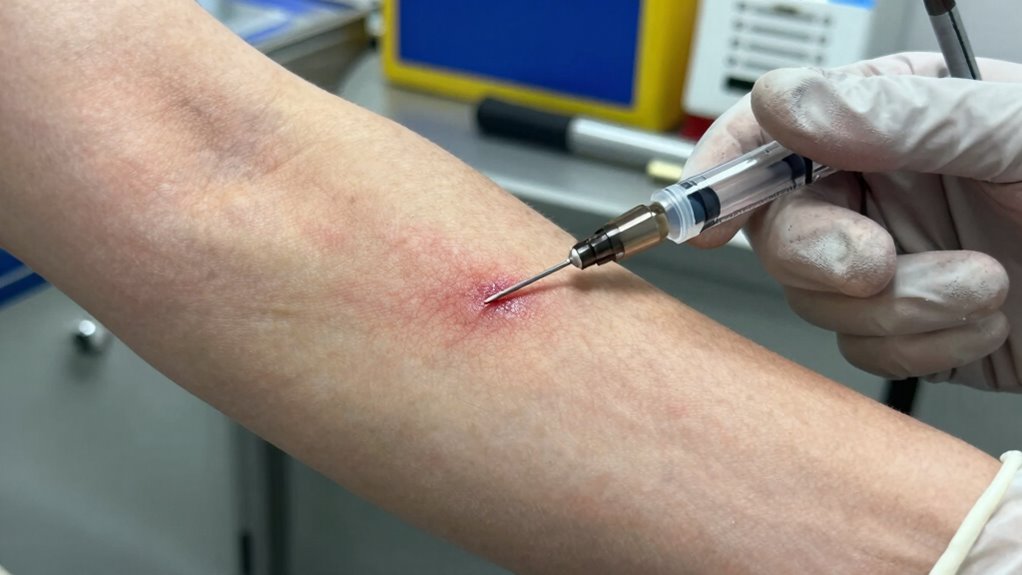

To prevent airless injection injuries, you must never point the sprayer at yourself or others, always keep the nozzle away from your body, and handle equipment carefully. Regularly inspect and maintain your tools to catch leaks before they cause harm. Wear proper protective gear like gloves, goggles, and masks, and establish a clear safety zone. If you follow these vital safety rules, you can reduce the risk of serious injuries—stay tuned for more essential safety guidance.
Key Takeaways
- Never point or spray at yourself or others; always direct nozzles away from the body.
- Regularly inspect and depressurize equipment before maintenance or cleaning.
- Always wear appropriate PPE, including gloves, goggles, and masks, to prevent injury.
- Handle high-pressure equipment with care, following proper safety protocols during operation and repairs.
- Seek immediate medical attention for any injection injury; prevention through strict safety adherence is essential.
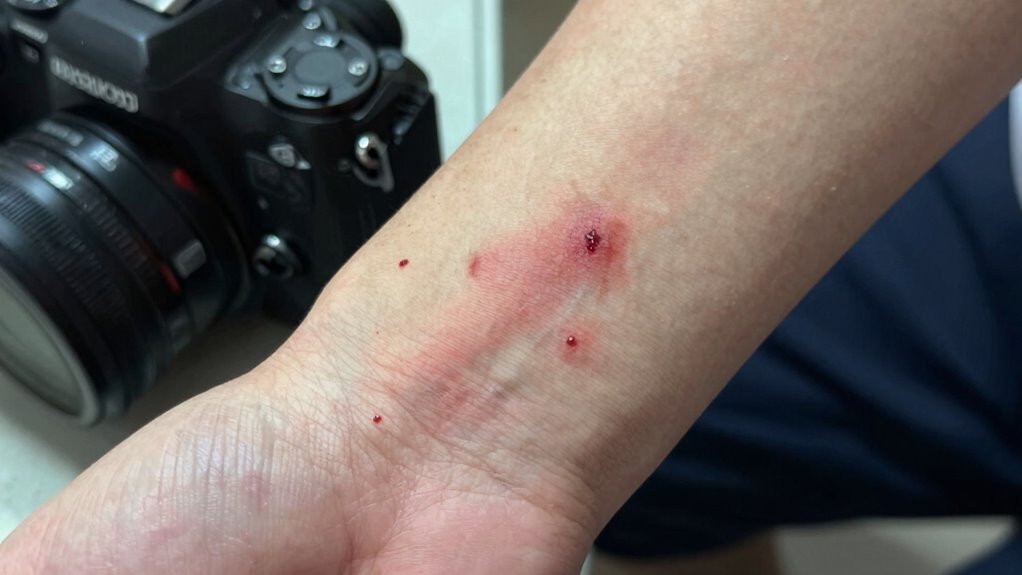
Airless injection injuries occur when high-pressure equipment pushes substances like paint, chemicals, or other fluids into the skin or underlying tissues, often causing serious damage. If you’re working with airless sprayers, understanding how to prevent these injuries is essential. Injury prevention begins with strict adherence to safety protocols designed specifically for high-pressure systems. These protocols are not just suggestions; they are critical rules that can save you from lifelong disabilities or even fatalities. Always make sure that you are trained properly before operating this equipment. Knowing how the machinery works, including how to shut it off quickly in an emergency, is indispensable.
One of the most important safety measures is to never point the sprayer at yourself or anyone else. The high-pressure stream can penetrate skin and cause deep tissue damage instantly. Always keep the nozzle directed away from your body and others, and never carry the sprayer with your finger on the trigger unless you’re ready to use it. When working, wear protective clothing—gloves, long sleeves, goggles, and a mask—to minimize exposure and protect your skin and eyes from accidental injections or splashes. Remember, even small leaks can cause injury, so regularly inspect the equipment for damage or wear and fix any faults immediately.
Never point the sprayer at yourself; always keep the nozzle away from your body and handle with care.
Implementing safety protocols also involves establishing a clear and consistent workspace. Avoid distractions, and make sure nobody else is in the spray zone unless they are also equipped with proper safety gear. Clearly mark the area as a danger zone to prevent accidental entry during operation. If you’re performing maintenance or cleaning the equipment, always depressurize the system first. Never attempt to repair or clean equipment under pressure—this is a common cause of accidental injections. Additionally, understanding essential oils for injury prevention, such as lavender or tea tree oil, can support first aid responses for minor skin injuries if needed.
Training plays a critical role in injury prevention. Make sure you and your team are thoroughly trained on all safety procedures, including how to respond quickly if an injection occurs. Immediate medical attention is necessary for any injury, but prevention is always better. Establish a routine safety checklist before each use to confirm that all safety measures are in place. Regularly review safety protocols and stay updated on best practices.
Frequently Asked Questions
What Immediate Steps Should I Take After an Injury?
If you get injured, you should immediately perform first aid by stopping any bleeding and avoiding further injury. Remove yourself from the hazardous area if possible. Seek medical attention promptly, even if the injury seems minor. Keep the affected area clean and covered. Don’t delay in obtaining professional help, as timely medical attention can prevent complications and ensure proper treatment. Always follow safety protocols to avoid future injuries.
How Long Does Recovery Typically Take?
Your recovery timeline depends on the severity of the injury and your body’s healing process. Typically, minor injuries may recover in a few days to weeks, while more serious ones might take several weeks or months. To support healing, follow your healthcare provider’s advice, keep the area clean, and avoid activities that could worsen the injury. Patience is key, as proper care ensures a smoother healing process and reduces complications.
Are There Long-Term Health Risks From Airless Injection Injuries?
You might wonder if airless injection injuries could cause ongoing issues. While most recover fully, some may experience long-term effects, including chronic complications such as persistent pain or nerve damage. These risks are rare but highlight the importance of proper safety measures. Taking precautions helps prevent long-term health effects, ensuring you avoid potential complications and maintain your well-being over time.
What Protective Gear Is Most Effective?
You should wear the most effective protective gear, including gloves, safety goggles, and a long-sleeved protective suit. These safety gear items create a barrier against airless injection injuries, preventing paint or chemicals from penetrating your skin. Always guarantee your protective equipment fits properly and is rated for the specific materials you’re handling. This way, you considerably reduce your risk of injury and long-term health issues.
Can These Injuries Be Completely Prevented?
You can’t guarantee completely prevention of airless injection injuries, but proper safety training and injury prevention measures drastically reduce your risk. Always follow safety rules, wear appropriate protective gear, and stay vigilant during operation. By prioritizing education and consistently applying safety protocols, you minimize the chances of injury. Remember, staying informed and prepared is your best defense against these serious injuries, making safety training essential in your work routine.
Conclusion
Remember, ignoring safety rules isn’t just a mistake—it’s inviting danger into your workspace. Airless injection injuries can strike silently, like a thief in the night, leaving lasting scars. By following proper procedures, you protect yourself and those around you. Don’t let complacency be the thief of safety; stay vigilant, stay informed, and treat every safety rule as your shield against unseen hazards. Because in safety, as in life, prevention is the only true remedy.