TL;DR

Get business pricing on tools and workshop supplies
- Business-only prices and quantity discounts
- Tax-exempt purchasing
- Multiple users, one account, clear invoices
A report by Ideal Home outlines expert advice on retrofitting insulation: it can reduce heat loss, but the right approach depends on how a home is built. The source provides no measured bill savings, and experts warn that unsuitable insulation or poor ventilation can contribute to damp, especially in older buildings.
Retrofitting insulation can help reduce heat loss and may make a home warmer, but it is not a guaranteed way to lower heating bills, according to experts cited by Ideal Home. They say homeowners should first establish how their property is built and how it manages moisture, because an unsuitable system can contribute to damp and the work can range from a short installation to extensive internal or external alterations.
Becky Lane, CEO of Furbnow, said older buildings need particular care before insulation is added. Traditional homes, especially those built before the 1930s, may be designed to let moisture pass through their walls. Making such a property more airtight without adequate ventilation can trap moisture, she said. The report advises identifying the wall construction before choosing a product or system.
Martyn Fowler, founder of Elite Renewables, also cautioned against treating all older homes alike. A Victorian solid-wall house and a 1930s cavity-wall property can behave differently, he said; an approach suitable for one may cause problems in another. Fowler said older homes can offer substantial scope for improvement because many started with little insulation, but warned that walls must be able to dry out where their construction requires it.
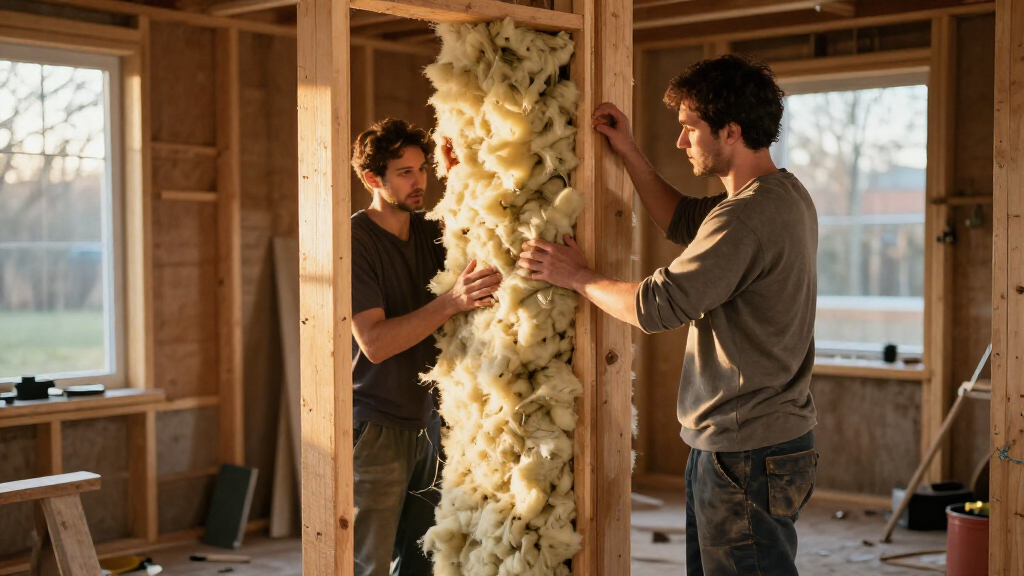
Installation time and disruption depend on the measure. The report says loft insulation is generally straightforward. Cavity-wall insulation may take around two to four hours when the property is suitable, with installers drilling small external holes to inject material and then making them good. Internal wall insulation is more disruptive: work may affect radiators, sockets, skirting boards, kitchens and room finishes. External insulation is carried out outside but can require scaffolding and adjustments to fittings.
How insulation choices affect homes
Heating costs and comfort depend on the home itself, not just on adding insulation. Reducing heat loss can help a property stay warmer, but the source offers no energy-bill figures, payback periods or comparison of expected savings. Readers should treat lower bills as a possible outcome rather than a quantified or guaranteed result.
Moisture management is a practical risk, particularly in older solid-wall properties. An insulation system that prevents a wall from drying, or increased airtightness without suitable ventilation, can create problems instead of simply improving comfort. The experts’ advice makes assessment of the building and correct installation central to the decision.
Disruption and cost also shape the choice. Some work can be completed quickly, while internal insulation may require clearing rooms and redecorating. Lane said projects can be phased room by room, which may help households manage the work over time, although the report does not provide prices or say whether phasing changes total costs.
Products Worth Considering

Dyson Airsmooth Styling Brush

Arlo Pro Wireless Security Camera, 2K HDR, 6th Generation, 4-Camera System

Bose Smart Soundbar 700 with Alexa, Black
As an affiliate, we earn on qualifying purchases.
Different walls need different approaches
The Ideal Home report focuses on the practical question of whether insulation can be added to an existing home, rather than on a new-build specification. Its central distinction is between cavity-wall and solid-wall construction. Cavity-wall insulation involves filling a space between wall layers, but Fowler says the wall condition, exposure to driving rain and whether the cavity is clear need checking. Solid-wall insulation is installed on the inside or outside and generally involves more work.
Access can affect floor insulation, too. The source notes that the job depends on the type of floor and whether there is access beneath it, but the supplied report text ends before giving further details. It does not describe costs, grant eligibility, or specific recommended products, so those details cannot be established from the material provided.
“With an old house you really need to understand what you’re dealing with before you start.”
— Becky Lane, CEO of Furbnow
Savings and suitability remain unquantified
The source does not establish how much households could save on heating, how quickly insulation might pay for itself, or how results vary by property, energy use and installation quality. It offers expert guidance on potential heat-loss reduction and risks, but no measured outcomes or bill comparisons.
Suitability must be checked property by property. The report does not provide an assessment of any specific home, an inspection checklist, or detailed advice on ventilation requirements. It also does not set out costs, warranties, available financial support or the qualifications homeowners should seek in an installer. Those points remain open based on the supplied material.
Assess the property before work
For a homeowner considering insulation, the next step described by the report is to establish the wall and floor construction, check the relevant condition and access, and consider how the home handles moisture and ventilation. The choice between loft, cavity, internal solid-wall or external solid-wall insulation should follow that assessment rather than a general assumption that one method suits every property.
Planning should reflect the scale of the job. Households considering internal insulation may need to clear rooms and plan for finishing work; external insulation may involve scaffolding and changes to fittings. The source gives no announced policy decision or scheduled next milestone. Any bill savings, installation costs and project timing for an individual home remain dependent on details not provided in the report.
Key Questions
Can retrofitting insulation lower heating bills?
It may reduce heat loss and help a home stay warmer, which could reduce heating needs. The report gives no measured savings or payback figures, so lower bills are not guaranteed.
Is insulation safe for an older house?
It can be suitable, but the building needs assessment first. Experts cited by Ideal Home warn that some older walls are designed to manage moisture and may be harmed by an unsuitable system or inadequate ventilation.
Which insulation work is least disruptive?
Loft insulation is described as generally straightforward. Suitable cavity-wall insulation may take two to four hours and involve no internal disruption, while internal wall insulation can affect fixtures, furnishings and decoration.
What should be checked before cavity-wall insulation?
Fowler says homeowners should check the condition of the walls, exposure to driving rain and whether the cavity is clear before it is filled. The report does not give a detailed inspection procedure.
Does the report provide insulation costs or grants?
No. The supplied material does not give installation prices, grant information, bill-saving estimates or payback periods.
Source: idealhome.co.uk