To fix orange peel, focus on surface prep and application techniques rather than replacing the paint. Start by thoroughly cleaning and lightly sanding the affected area with ultra-fine sandpaper to smooth the surface. Reapply thin, even coats, maintaining proper spray distance and overlapping each pass. Proper technique and careful preparation help prevent future texture issues. If you’re interested in learning how to perfect your finish, there’s more to explore that can make a real difference.

Get business pricing on tools and workshop supplies
- Business-only prices and quantity discounts
- Tax-exempt purchasing
- Multiple users, one account, clear invoices
Key Takeaways
- Orange peel is caused by application technique, not faulty paint, often due to uneven spraying or drying.
- Proper surface preparation, including cleaning and sanding, ensures better paint adhesion and a smoother finish.
- Using consistent spray patterns and maintaining proper distance prevents uneven application that leads to orange peel.
- Sand affected areas with ultra-fine grit sandpaper, then reapply thin, controlled coats to fix textured surfaces.
- Mastering proper painting techniques and patience is key to achieving a flawless, smooth finish.
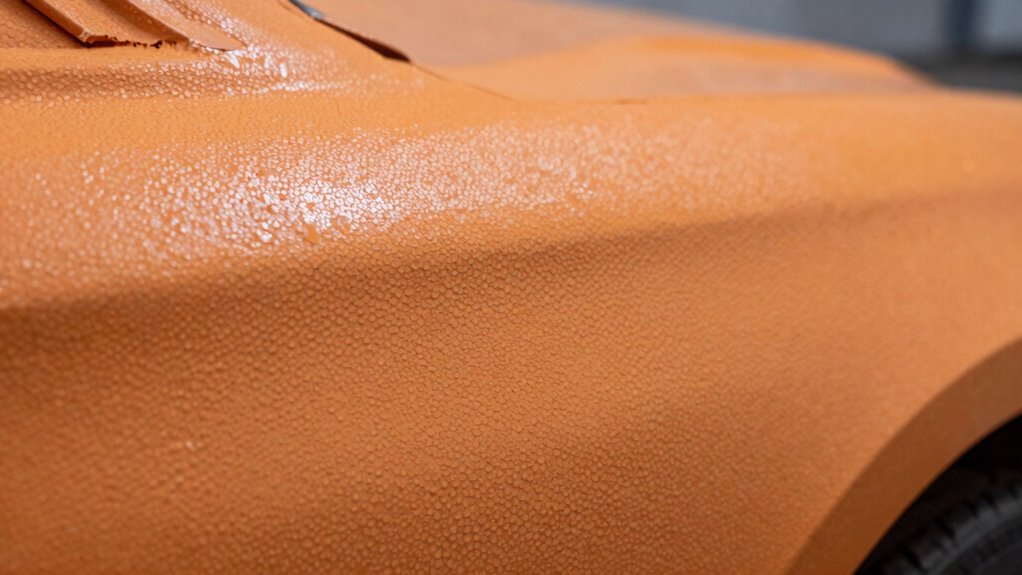
Have you ever noticed your car’s paint developing a rough, dimpled texture that resembles an orange peel? It’s frustrating, especially when you’ve invested time and money into your vehicle’s appearance. But here’s the key: this isn’t usually a paint defect. Most of the time, it’s caused by issues during the application process, particularly related to surface preparation and painting techniques. Understanding this helps you address the root cause rather than just trying to fix the surface superficially.
Orange peel on your car isn’t a defect, but a sign of application issues like improper surface prep and technique.
The first step in fixing orange peel is ensuring proper surface preparation. If the surface isn’t clean, smooth, and free of contaminants like dirt, grease, or wax, the paint won’t lay down evenly. Start by thoroughly washing your car with a quality degreaser or automotive soap. After cleaning, sand the area with fine-grit sandpaper—typically between 800 and 1500 grit—to create a smooth, even surface. This process removes any imperfections and helps the new paint adhere properly. Skipping or rushing through surface preparation often leads to uneven paint application, which manifests as orange peel. Paying attention to surface preparation techniques can make a significant difference in the final finish.
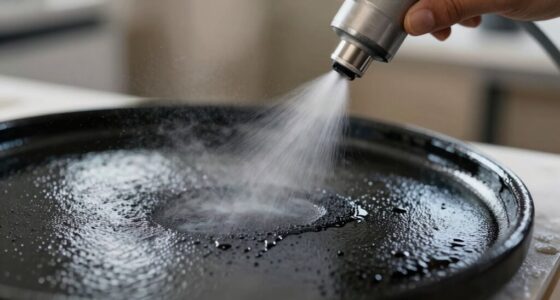
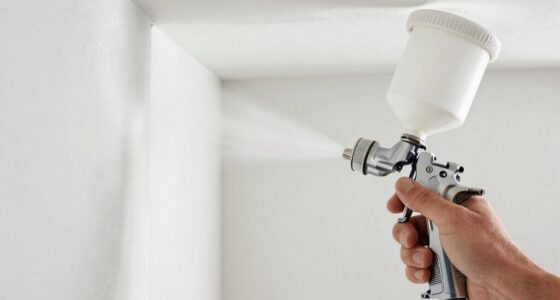
Next, your painting techniques play a crucial role in preventing and fixing the textured finish. When applying paint, use consistent, controlled spray patterns, keeping the spray gun or spray can at the right distance—usually about 6 to 12 inches from the surface. Overlapping each pass slightly ensures even coverage. Applying paint too thickly causes the surface to dry unevenly and can result in orange peel. Instead, opt for multiple light coats, allowing each layer to dry thoroughly before applying the next. This technique promotes a smooth, glossy finish.
If you’ve already got orange peel, you don’t have to live with it forever. Sand down the affected area with ultra-fine sandpaper—around 2000 grit—until the surface is smooth. After sanding, clean the area to remove dust and then reapply a thin, even coat of paint using proper painting techniques. Sometimes, a clear coat can help fill in minor texture issues, but sanding and refinishing are often necessary for a perfectly smooth finish. Additionally, paying attention to paint application techniques can significantly reduce the chances of orange peel developing in future projects.
Ultimately, fixing orange peel isn’t about rushing or using the wrong products. It’s about paying attention to surface preparation and mastering your painting techniques. When you get these steps right, your car’s finish will look flawless, and the dreaded orange peel will be a thing of the past. Proper prep and technique are the keys to a smooth, professional-looking paint job.
auto body sanding paper 800 1500 grit
As an affiliate, we earn on qualifying purchases.
As an affiliate, we earn on qualifying purchases.
Frequently Asked Questions
Can Orange Peel Be Fixed After the Paint Has Dried Completely?
Yes, you can fix orange peel after the paint has dried completely. First, you need to carefully sand the area with fine-grit sandpaper to level the surface, ensuring proper surface preparation. Then, clean the area thoroughly before applying a compatible, matching paint. Always check paint compatibility to avoid issues. This process helps achieve a smooth finish without damaging the underlying paint, restoring your surface’s appearance effectively.
Does Sanding Always Remove Orange Peel Effectively?
Sanding can effectively remove orange peel if you pay attention to paint thickness and drying time. You should wait until the paint is fully dry before sanding to avoid smudging or damaging the surface. Light, even sanding with fine grit sandpaper works best, focusing on smoothening the surface. Be patient, and don’t rush, because proper drying and careful sanding will give you a much better finish.
Are There Specific Tools Recommended for Fixing Orange Peel?
Yes, specific tools like a quality spray gun are recommended for fixing orange peel. You should use a spray gun with adjustable settings to control spray pattern and pressure, ensuring a smooth finish. Additionally, a thinner application of paint helps reduce orange peel, so adjust your spray gun accordingly. Proper technique, including consistent distance and speed, combined with these tools, will give you a much better, professional-looking result.
How Long Should I Wait Before Sanding or Polishing?
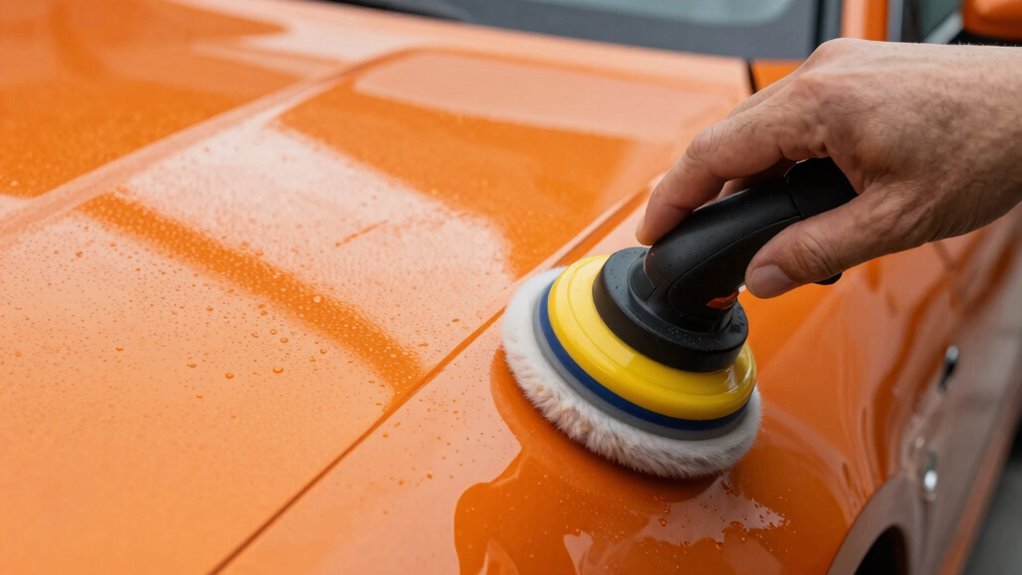
Think of your paint as a delicate seed needing time to grow. You should wait at least 24 to 48 hours for drying time before sanding or polishing. Rushing risks damaging the finish. During this period, apply gentle polishing techniques to smooth out imperfections. Patience lets the paint fully cure, ensuring a flawless surface. When you see no more solvent movement, it’s safe to proceed, like tending a growing plant.
Can Orange Peel Be Prevented During the Painting Process?
Yes, you can prevent orange peel during painting by controlling paint thickness and environmental conditions. Use a consistent, moderate paint thickness to avoid over-spraying, and apply multiple thin coats instead of one thick layer. Additionally, maintain an ideal environment with proper temperature, humidity, and ventilation. These measures help the paint level smoothly, reducing the chances of orange peel forming and ensuring a professional finish.
Conclusion
Now that you understand orange peel isn’t just about the paint, you can see it as a sign of something deeper. With a gentle hand and patience, you’ll smooth out those tiny imperfections, revealing a flawless finish beneath the surface. Imagine your car gleaming under the sun, the paint perfectly mirror-like, each reflection crystal clear. You’re not just fixing a flaw—you’re transforming your ride into a masterpiece that turns heads and sparks admiration every time you catch its glossy reflection.
Fall Picks
fall essentials
As an affiliate, we earn on qualifying purchases.