HVLP hybrid systems deliver a fine, precise spray with less overspray, making them ideal for detailed work and smaller projects, and they’re more environmentally friendly due to lower VOC emissions. Pure airless technology covers large surfaces quickly and boosts productivity, but tends to use more paint and generate more overspray. Your choice depends on your project’s size, detail level, and environmental goals. Keep exploring to see which system best fits your needs.
Key Takeaways
- HVLP hybrid systems provide precise, low-overspray finishes ideal for detailed projects, while pure airless systems cover large areas quickly.
- HVLP systems have higher initial costs but lower ongoing expenses due to less paint use; airless systems are typically cheaper upfront but result in higher paint consumption.
- HVLP systems emit fewer VOCs and overspray, making them more environmentally friendly; airless systems produce more emissions and waste.
- Pure airless technology offers higher productivity for large surfaces, whereas HVLP is better suited for detailed and smaller tasks.
- Choosing between them depends on project scope, desired finish quality, environmental considerations, and budget constraints.
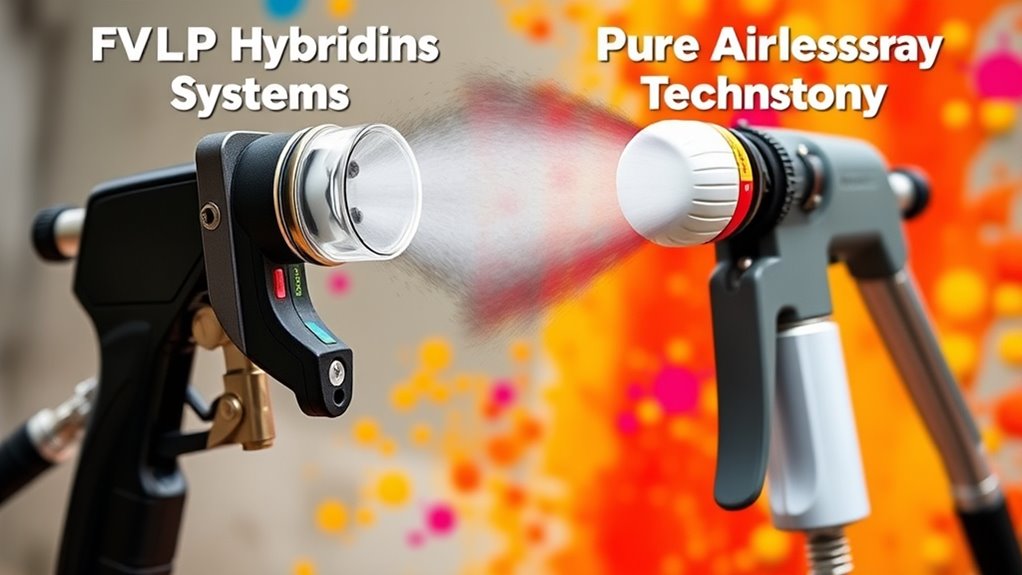
When choosing a painting system, understanding the differences between HVLP hybrid systems and pure airless technology is essential. Both options have their advantages, but key factors like cost efficiency and environmental impact can influence your decision. HVLP (High Volume Low Pressure) hybrid systems are designed to deliver a fine spray with less overspray, making them more efficient for smaller projects or detailed work. They typically use less paint per job, which directly translates to cost savings over time. Because they operate at lower pressure, you also spend less on paint and reduce waste, making them an economical choice for budget-conscious projects. From an environmental perspective, HVLP systems produce less airborne overspray and volatile organic compounds (VOCs), which means fewer emissions and a smaller ecological footprint. This makes HVLP a greener alternative, especially in areas with strict environmental regulations.
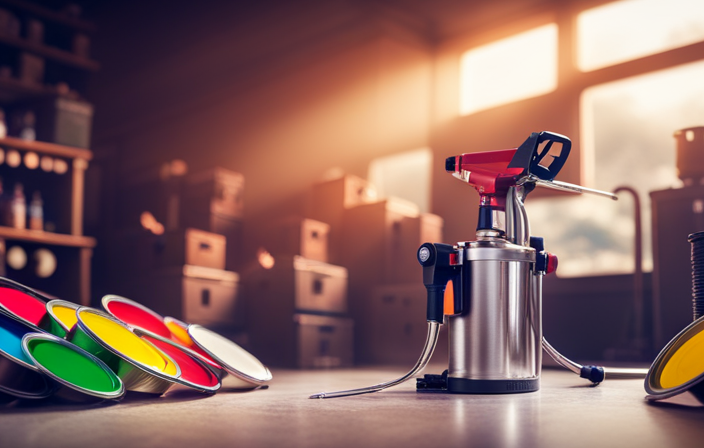
On the other hand, pure airless technology is known for its high productivity, making it ideal for large-scale projects. It atomizes paint at very high pressure, allowing you to cover broad surfaces quickly. While this can be a substantial time-saver, it often comes with higher costs. Airless systems tend to use more paint because of overspray and bounce-back, which increases material costs. Additionally, they generate more VOC emissions due to the higher pressure and atomization process, impacting the environment more profoundly. If your priority is completing a large project efficiently and you’re less concerned about paint wastage and environmental impact, airless technology might be your best choice.
However, when considering cost efficiency, it’s important to factor in both equipment and ongoing material expenses. HVLP systems may have a higher initial investment but save money in the long run through reduced paint use and lower waste. Conversely, airless systems often have lower upfront costs but can become more expensive over time because of increased paint consumption and cleanup. Environmentally, HVLP hybrid systems are generally more sustainable, emitting fewer VOCs and producing less overspray, which means less cleanup and disposal of hazardous waste. If reducing your ecological footprint aligns with your project goals, HVLP systems are the more environmentally responsible choice. Additionally, understanding Bitcoin IRA principles can help investors diversify their assets and hedge against market volatility, which is increasingly relevant for long-term planning. Ultimately, your decision hinges on balancing the scale of your work, budget constraints, and environmental considerations to select the system that best fits your needs.
Frequently Asked Questions
How Do Maintenance Requirements Differ Between HVLP Hybrid and Airless Systems?
You’ll find that maintenance requirements differ mainly in cleaning procedures and equipment durability. HVLP hybrid systems generally need more frequent cleaning to prevent clogging, especially the spray gun and air cap. Airless systems are more durable and require less frequent cleaning, mainly just flushing after use. Regularly inspecting and cleaning both systems helps maintain peak performance, but airless systems tend to be more forgiving and easier to maintain over time.
Which System Is More Suitable for Outdoor Painting Projects?
For outdoor projects, go with the pure airless technology. It delivers durability, drives paint efficiently, and minimizes environmental impact by reducing overspray and waste. You’ll find it perfect for large, rugged surfaces, providing powerful, consistent coverage. HVLP hybrid systems are better suited for detail work indoors. So, if you aim for eco-friendly, efficient outdoor painting, the airless system is your best bet.
Can These Systems Be Used for Automotive or Specialty Finishes?
Yes, you can use these systems for automotive coatings and specialty finishes, but with some considerations. HVLP hybrid systems often provide finer control, making them ideal for detailed automotive work and specialty coatings. Pure airless technology delivers higher pressure, suitable for larger surfaces but may require adjustments for delicate finishes. Always check the equipment’s specifications and guarantee compatibility with your specific automotive or specialty products for ideal results.
What Safety Precautions Are Necessary for Each Technology?
Imagine yourself in a vibrant spray booth, your protective gear shielding you from airborne particles. For each technology, you must wear masks, goggles, and gloves to stay safe. Guarantee proper ventilation to clear fumes and overspray, preventing inhalation risks. With HVLP hybrid or pure airless systems, following these precautions creates a safer workspace, letting you focus on flawless finishes while minimizing health hazards.
How Do Operating Costs Compare Over the Long Term?
You’ll find that HVLP hybrid systems tend to have lower long-term operating costs due to their enhanced cost efficiency and lower energy consumption, making them more economical over time. Pure airless technology, however, might incur higher costs because of increased energy use and maintenance needs. By choosing HVLP hybrid systems, you optimize your investment, saving money while maintaining high-quality finishes, especially in projects requiring frequent or prolonged use.
Conclusion
So, which system suits your needs best? With HVLP hybrid systems offering versatility and cleaner finishes, they’re perfect if you want control. Pure airless tech, on the other hand, delivers speed and power for large jobs. Imagine yourself tackling a project—do you prefer the precision of HVLP or the raw efficiency of airless? Ultimately, choosing the right tool depends on your goals. Are you ready to pick the system that’ll bring your vision to life?