If you’re over-cleaning your sprayer, you risk damaging delicate parts like seals and nozzles, which can lead to leaks, malfunctions, and a shorter lifespan. Using aggressive scrubbing or excessive solutions can wear down components and cause costly repairs. Instead, stick to manufacturer guidelines and focus on routine rinsing and cleaning of clog-prone parts. Proper maintenance helps keep your sprayer reliable and durable. Keep going to discover how to clean effectively without harming your equipment.

Get business pricing on tools and workshop supplies
- Business-only prices and quantity discounts
- Tax-exempt purchasing
- Multiple users, one account, clear invoices
Key Takeaways
- Over-cleaning can damage seals, nozzles, and delicate parts, leading to leaks and malfunctions.
- Excessive cleaning may shorten the sprayer’s lifespan and increase repair costs.
- Rinsing with water or manufacturer-approved solutions after use is usually sufficient.
- Follow manufacturer guidelines to avoid improper cleaning that can weaken components.
- Proper storage and regular maintenance help prevent the need for aggressive cleaning.
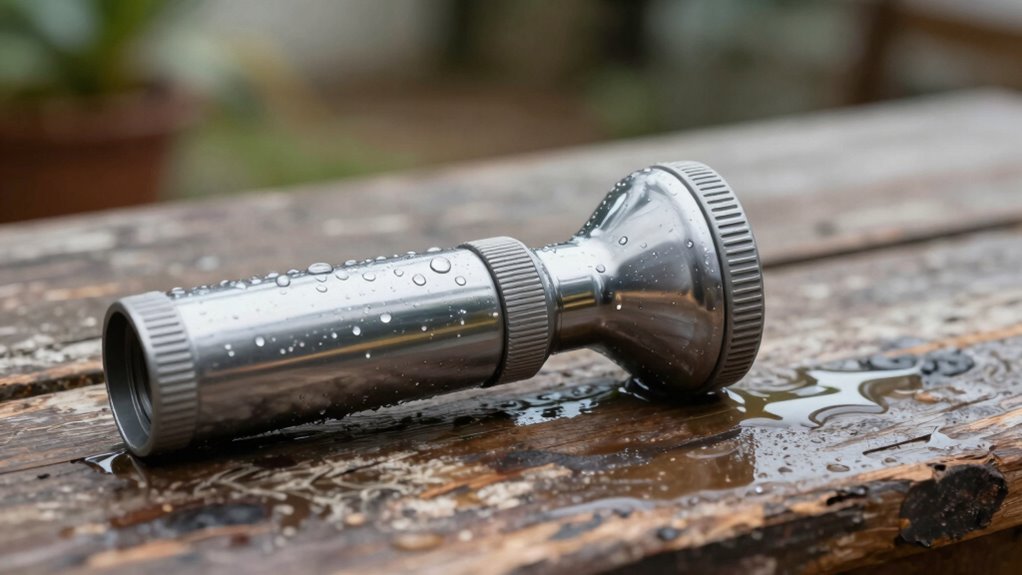
Many gardeners and farmers assume that cleaning their sprayer thoroughly after each use is always the best practice, but over-cleaning can actually cause more harm than good. While it might seem logical to eliminate every trace of chemical residue, excessive cleaning can wear down your equipment and compromise its functionality. Over-cleaning can lead to unnecessary wear on seals, nozzles, and other delicate parts, increasing the risk of leaks or malfunctions down the line. Instead of guaranteeing ideal equipment maintenance, you might end up reducing the lifespan of your sprayer, which can lead to costly repairs or replacements. Proper equipment maintenance is key to prolonging the life of your sprayer. Additionally, understanding the manufacturer’s guidelines for cleaning can help prevent unnecessary damage caused by improper cleaning techniques. Regular inspection and maintenance can also help identify potential issues early, saving you from costly repairs later. You should think about cleaning your sprayer as part of a balanced equipment maintenance routine. After each use, a simple rinse with water or the recommended cleaning solution is often enough to remove most chemical residue. Pay special attention to nozzles and filters, which tend to clog or accumulate deposits. But avoid the temptation to scrub aggressively or use abrasive cleaners unless specifically instructed by the manufacturer. Excessive cleaning might seem like a good idea at first, but it can weaken components over time, leading to more frequent breakdowns. Proper storage is just as crucial as cleaning. Storing your sprayer in a dry, protected environment prevents corrosion and reduces the need for intensive cleaning. Using proper cleaning techniques and following the manufacturer’s instructions can help avoid damaging sensitive parts. When in doubt, consulting the product manual can provide valuable guidance on safe cleaning practices. If you do decide to do a more thorough cleaning periodically—say, after switching chemicals or at the end of a season—make sure to follow the manufacturer’s guidelines. This approach ensures you’re maintaining your equipment effectively without causing unnecessary damage. Remember, the goal isn’t to eliminate every trace of chemical residue but to keep your sprayer functioning reliably, extending its lifespan, and avoiding costly repairs caused by over-cleaning.
As an affiliate, we earn on qualifying purchases.
Frequently Asked Questions
How Often Should I Clean My Sprayer?
You should clean your sprayer after every use to prevent chemical residue buildup. Regular cleaning guarantees no leftover chemicals cause corrosion or clogging, which can affect performance. If you’re using different chemicals, rinse thoroughly between jobs, especially if they’re incompatible. Adjust cleaning frequency based on usage, but never skip it, as neglecting proper maintenance leads to residue buildup and decreases your sprayer’s efficiency over time.
What Cleaning Agents Are Safest for Sprayers?
Choosing the safest cleaning agents for your sprayer is like picking a gentle breeze over a storm. Use eco-friendly solutions that are chemically compatible with your equipment to prevent damage. Look for biodegradable soaps or vinegar-based cleaners, which are effective yet gentle. These options help protect your sprayer’s components, reduce environmental impact, and guarantee safe operation, keeping your equipment in top shape without risking corrosion or clogging.
Can Over-Cleaning Damage Sprayer Components?
Over-cleaning can damage your sprayer components, especially if you use harsh chemicals or scrub too vigorously. It can strip away protective coatings, leading to chemical residue buildup and increasing the risk of component corrosion. Regular, gentle cleaning with appropriate agents is key. If you overdo it, you might weaken seals or cause parts to deteriorate faster, ultimately reducing your sprayer’s lifespan and effectiveness.
Are There Signs I’M Over-Cleaning My Sprayer?
Did you know that improper cleaning can lead to 30% more chemical buildup? If you notice persistent residue after cleaning or find your sprayer’s performance declining, you might be over-cleaning. Excessive cleaning can strip away protective coatings, causing damage. To avoid this, guarantee proper residue removal without overdoing it. Look for signs like leaks or corrosion, which indicate you might be cleaning too much or with harsh chemicals.
Should I Clean My Sprayer After Every Use?
You shouldn’t clean your sprayer after every use, as excessive cleaning can remove protective coatings and damage parts. Instead, clean it thoroughly when switching chemicals or if residue builds up, to prevent chemical residues from affecting future applications. Proper cleaning extends equipment longevity and guarantees maximum performance. Focus on a balance—clean enough to avoid residue issues but avoid over-cleaning, which can harm your sprayer’s components.
Conclusion
Over-cleaning your sprayer might seem like the safest choice, but it can actually cause more harm than good. Just as too little attention leaves residues behind, too much can damage seals and components, leading to costly repairs. Finding the right balance protects your equipment and guarantees peak performance. Remember, sometimes less is more—you don’t want your desire for cleanliness to turn into a costly mistake. Keep it simple, keep it effective.
Halloween Picks
halloween
As an affiliate, we earn on qualifying purchases.