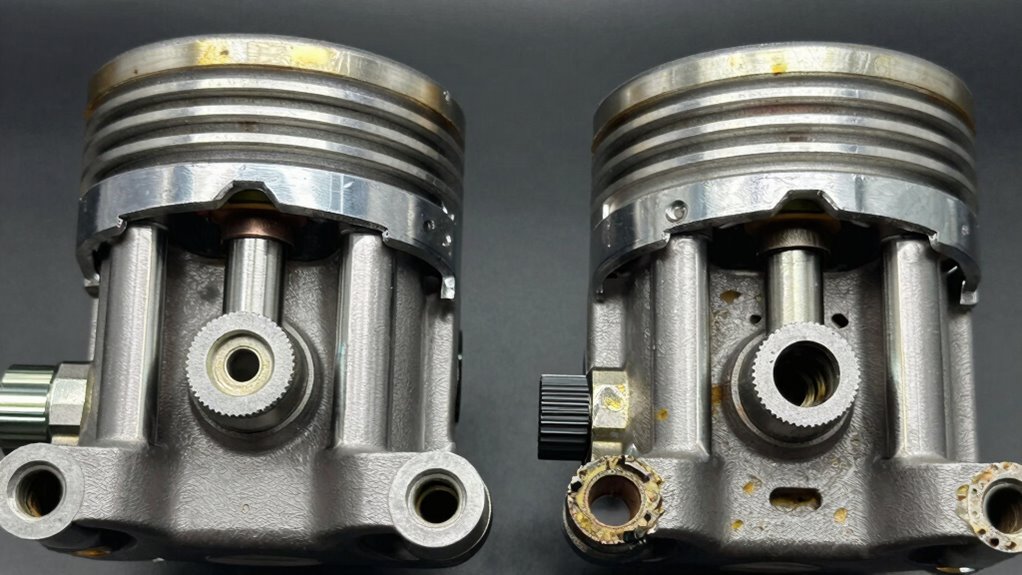
Inside professional sprayer pumps, you’ll find rugged materials like stainless steel or reinforced composites that resist corrosion and wear, keeping performance steady over time. DIY models, on the other hand, often use cheaper plastics and simpler parts that break down faster and need more frequent repair. Seals and internal components in pro models handle higher pressures, preventing leaks and maintaining consistent spray. Want to know more about what makes these differences so significant?

Get business pricing on tools and workshop supplies
- Business-only prices and quantity discounts
- Tax-exempt purchasing
- Multiple users, one account, clear invoices
Key Takeaways
- Professional pumps use durable materials like stainless steel, while DIY models typically rely on cheaper plastics prone to degradation.
- Internal components in professional sprayers are designed for consistent performance, unlike the simpler parts in DIY models.
- Professional pumps feature high-quality seals that handle higher pressures, reducing leaks and maintaining spray stability.
- Maintenance is easier and more efficient in professional sprayers due to better access and higher-quality internal parts.
- Long-term, professional pumps offer greater durability and cost efficiency, whereas DIY models may require frequent repairs.
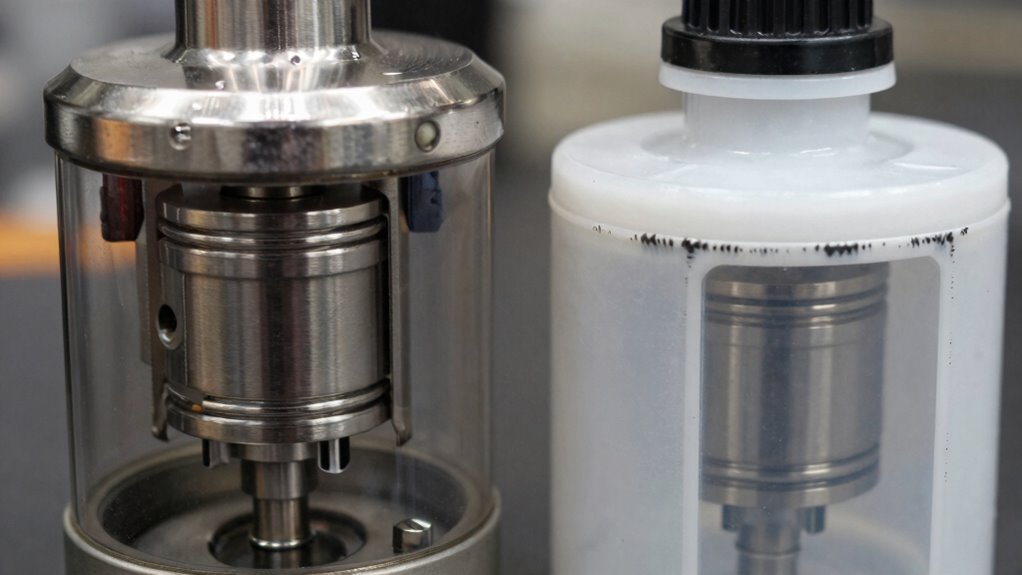
When it comes to choosing a sprayer for your project, deciding between professional-grade equipment and DIY options can be challenging. A key difference lies in what actually changes inside the pump during use and over time. Understanding these differences helps you make smarter decisions, especially regarding maintenance routines and cost efficiency. Professional sprayers are built to withstand frequent, heavy-duty use. Their pumps are usually made from more durable materials like stainless steel or reinforced composites, which resist corrosion and wear better than the plastic parts common in DIY models. This durable pump material is a crucial factor in how well a sprayer performs over time and withstands demanding tasks. This means you’ll likely need less frequent repairs, and when maintenance is necessary, it’s often quicker and more straightforward because the components are designed for easy access. Over time, this translates into lower ongoing costs and less downtime. DIY sprayers, on the other hand, often have simpler, less robust pumps. These are typically made from cheaper plastics that can degrade faster, especially when used with harsh chemicals or for prolonged periods. As a result, the internal components may wear out or get clogged more often, requiring more frequent cleaning and part replacements. This not only affects the pump’s longevity but also increases your overall maintenance routines, making the process more time-consuming and costly. The internal mechanisms inside professional sprayers are designed for consistent performance, even after extensive use, which helps maintain cost efficiency in the long run. Additionally, pump internal components and the way they are constructed can greatly influence your decision-making process, especially when considering the long-term durability** of the equipment. When you opt for a DIY sprayer, you might initially save money, but the longer-term expenses could outweigh those savings due to more frequent repairs and replacements. Additionally, the internal pressures and seals in professional models are engineered to handle higher workloads without losing efficiency, ensuring your spray pattern remains steady and effective. For DIY models, lower-quality seals and less precise internal components can lead to leaks, inconsistent spray patterns**, and reduced pressure, all of which compromise the quality of your work and increase maintenance needs. Recognizing these internal differences helps you weigh upfront costs against long-term efficiency, ensuring you pick the sprayer that best fits your project’s scope and your budget.
professional garden sprayer pump
As an affiliate, we earn on qualifying purchases.
As an affiliate, we earn on qualifying purchases.
Frequently Asked Questions
How Long Does a Typical Pump Last in Professional Sprayers?
A typical pump in professional sprayers lasts around 1,000 to 2,000 hours of use, depending on maintenance and workload. You can expect better professional durability with regular care, such as cleaning and replacing worn parts. Properly maintained pumps tend to perform longer, ensuring reliable operation for years. Ultimately, the pump’s lifespan depends on how well you care for it, but with good maintenance, you can extend its professional durability considerably.
Are DIY Sprayers Suitable for Large-Scale Commercial Projects?
DIY sprayers aren’t ideal for large-scale commercial projects because they often lack the cost efficiency and material durability needed for extensive use. You might find they break down more quickly or require frequent repairs, increasing overall costs. For serious, large jobs, investing in professional-grade equipment guarantees better performance, longer lifespan, and reliable results, saving you time and money in the long run.
What Maintenance Is Required to Keep Pumps Functioning Properly?
To keep your pump functioning properly, you need to regularly perform pump lubrication to prevent wear and overheating. Also, check seals frequently and replace them as needed to prevent leaks and maintain pressure. Keep the pump clean and free of debris, and inspect hoses and connections for damage. Regular maintenance guarantees your sprayer operates efficiently, extends its lifespan, and avoids costly repairs down the line.
Do Different Pump Types Affect Spraying Accuracy and Consistency?
Different pump types are like different instruments in an orchestra, each affecting spray precision and pump reliability uniquely. You’ll notice that diaphragm pumps tend to offer consistent, accurate spray patterns, enhancing precision. Conversely, piston pumps may provide high pressure but can sometimes cause fluctuations. Your choice impacts how reliably your sprayer performs, so selecting the right pump type is essential for achieving consistent, precise results every time you spray.
Can DIY Sprayers Be Upgraded to Match Professional Equipment Standards?
Yes, you can upgrade DIY sprayers to match professional equipment standards. By making DIY modifications, you can improve components like seals, valves, and pumps for better performance. Just guarantee your upgrades are compatible with your existing equipment to avoid issues. Focus on enhancing accuracy, consistency, and durability. Properly upgrading your DIY sprayer helps you achieve results closer to those of professional tools, saving you money and increasing efficiency.
Conclusion
So, while DIY sprayers might seem like a cost-effective choice, they often lack the durability and precision of professional models. The common belief that all pumps are the same simply isn’t true—internal components wear differently, affecting performance and longevity. Investing in a pro sprayer isn’t just about convenience; it’s about ensuring your work gets done right the first time. Don’t underestimate the importance of quality—your projects deserve the best tools for lasting results.
Fall yard work Picks
leaf blowers
As an affiliate, we earn on qualifying purchases.