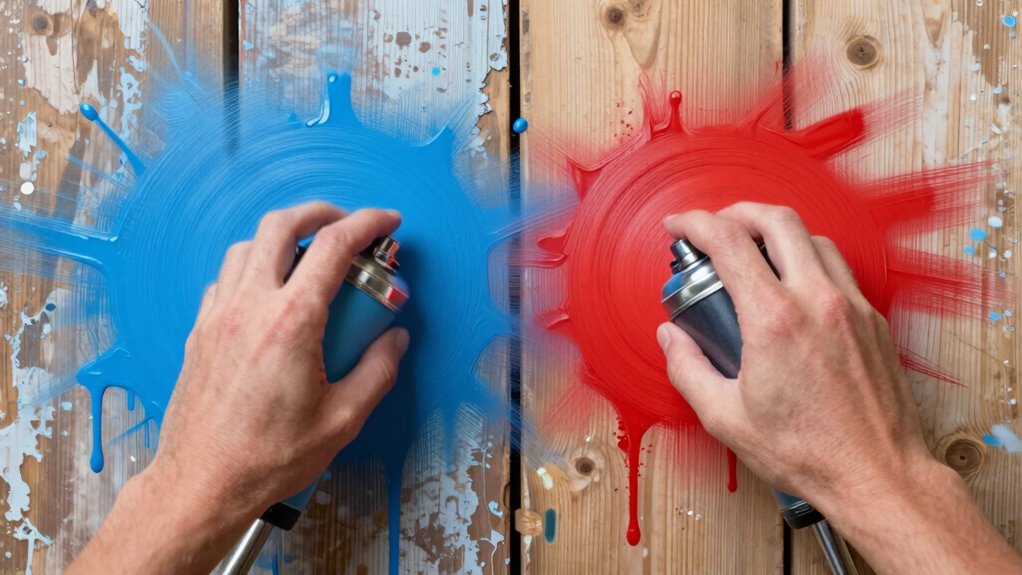
Spraying too fast can result in uneven coverage, missed spots, and material runoff, while moving too slowly may cause over-application and waste. To achieve the best results, you need a steady, controlled pace that matches your equipment’s calibration and the surface texture. Finding the right speed ensures even coverage without wasting material. Keep practicing your technique and adjusting your pace—there’s more to mastering ideal spraying speed that can make your work easier and more efficient.
Key Takeaways
- Moving too fast causes uneven coverage and missed spots; moving too slow risks over-application and runoff.
- Maintaining a steady, controlled speed ensures even spray distribution and optimal material use.
- Proper equipment calibration helps determine the ideal speed for consistent application and minimizes waste.
- Adjust your speed based on surface texture and spray pattern to achieve even coverage.
- Regular equipment maintenance and calibration support proper speed and improve application quality.
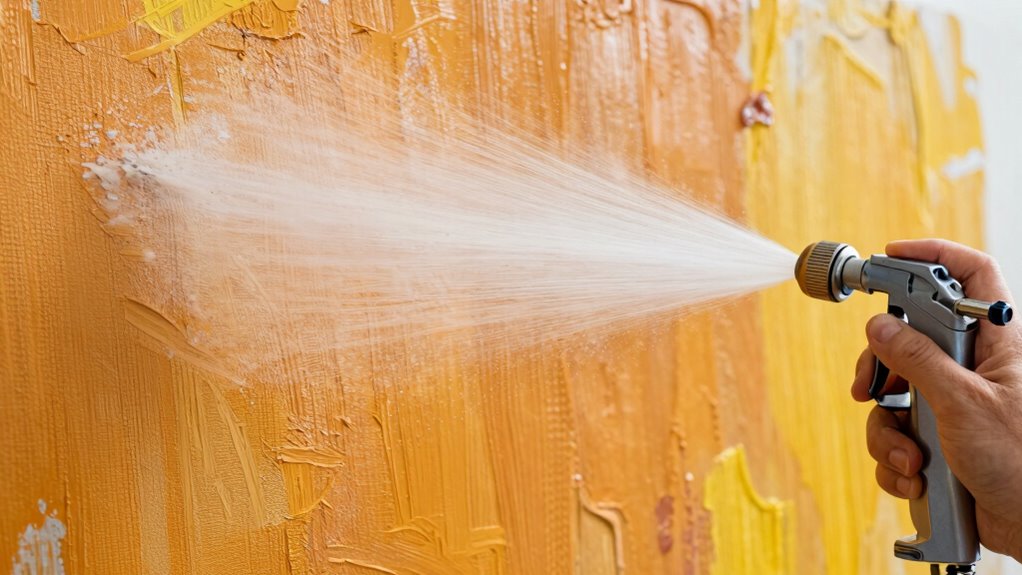
Spraying at the right speed is vital for achieving even coverage and avoiding waste. When you’re working with application techniques, your speed directly impacts how well the spray coats the target surface. Moving too fast can result in missed spots and uneven distribution, while going too slow might cause over-application and excessive runoff. Striking the right balance ensures you’re applying the right amount of product efficiently and effectively. To do this, you need to pay attention to your equipment calibration. Proper calibration ensures your sprayer delivers the correct flow rate at a given speed, so your application remains consistent, no matter how fast or slow you go. When you calibrate your equipment, you’re basically setting a baseline that helps you understand how much product is being dispensed per area. This way, you can adjust your speed accordingly, ensuring you don’t waste material or leave patches untreated.
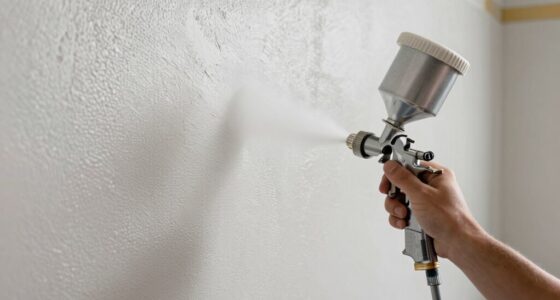
As you work through the application process, keep in mind that your technique influences both coverage and efficiency. For example, maintaining a steady, controlled pace allows the spray to evenly cover the surface without creating drips or streaks. If you’re rushing, the spray tends to be thinner, which can lead to uneven coverage, especially on textured or uneven surfaces. Conversely, if you move too slow, you risk over-saturating the area, which can cause runs, drips, or pooling. It’s essential to find a rhythm that aligns with your equipment’s calibration. When your sprayer is calibrated correctly, you can confidently adjust your speed to match the recommended flow rate, ensuring consistent application.
Practicing your application techniques can help you develop a natural sense of the right speed. Start with a slow, deliberate pace to get a feel for how your equipment responds. As you gain experience, gradually increase your speed while monitoring your coverage and the amount of material used. Always pay attention to the spray pattern and make adjustments as needed. Remember, different surfaces and materials may require slight modifications to your speed and technique. Regularly checking and recalibrating your equipment ensures your sprayer remains accurate, especially if you notice changes in spray pattern or flow rate. This ongoing maintenance helps you stay efficient and precise, preventing waste and ensuring your work looks professional.
Frequently Asked Questions
How Does Wind Affect Spraying Speed?
Wind influence markedly impacts your spraying speed, increasing spray drift if it’s too strong. When wind is gentle, you can maintain a steady speed for even coverage. However, if the wind picks up, you might need to slow down or adjust your technique to reduce spray drift and guarantee the chemicals reach their target effectively. Always monitor wind conditions to optimize your spraying speed and minimize environmental impact.
What Equipment Adjustments Are Needed for Different Spray Speeds?
Did you know that adjusting your equipment can improve spray efficiency by up to 20%? When changing spray speeds, you should modify your sprayer nozzle selection to guarantee proper droplet size and coverage. Additionally, adapt tank mixing techniques to prevent clogs or uneven application. Always verify pressure settings and nozzle wear regularly, especially when altering spray speeds, to maintain consistent output and ideal application results.
Can Spraying Speed Impact Chemical Coverage Quality?
Yes, your spraying speed considerably impacts chemical coverage and spraying efficiency. When you spray too fast, you risk uneven coverage and missed spots, reducing effectiveness. Conversely, spraying too slow can cause over-application, waste chemicals, and increase drift risks. Finding the right speed guarantees even application, maximizes coverage, and improves overall efficiency. Adjust your pace based on the target area and equipment to achieve ideal results every time.
How Do I Calibrate My Sprayer for Optimal Speed?
Imagine your sprayer as a brush painting a canvas—you want even, precise strokes. To calibrate for ideal speed, start by measuring your output per minute, then adjust your speed until your spray pattern matches the recommended rate. Regularly test and fine-tune your sprayer calibration, ensuring you maintain steady motion. This way, you’ll achieve consistent coverage, conserving chemicals, and ensuring each application is as effective as a master’s touch.
What Are Signs of Spraying Too Fast or Too Slow?
If you’re spraying too fast, you might notice uneven coverage or missed spots, indicating your spraying technique needs adjustment. Conversely, spraying too slow can cause over-application and potential equipment strain. Pay attention to your equipment maintenance, ensuring no clogs or leaks affect your spray pattern. Regularly calibrate your sprayer to maintain the right speed, helping you achieve even coverage and efficient application.
Conclusion
Remember, spraying at the right speed guarantees your work is efficient and effective. Too fast, and you risk uneven coverage; too slow, and you waste time and materials. Finding that perfect balance might seem tricky, but it’s worth it for a smooth, professional finish. So, next time you pick up that sprayer, ask yourself: are you giving it the right pace to achieve the best results? After all, precision starts with the right speed!