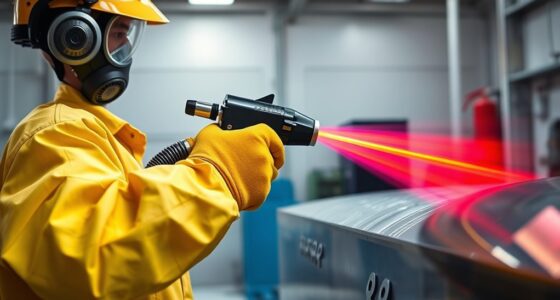

Ignoring safety rules with airless injection can lead to severe injuries, including tissue damage and long-term health issues. To protect yourself, always wear proper PPE, double-check equipment, and never bypass safety features like pressure relief valves. Keep your workspace organized and follow manufacturer instructions precisely. Staying cautious and well-trained reduces risks considerably. If you’re serious about safety, there’s more important information to help keep you protected and injury-free.

Get tools and workshop supplies delivered free — and shop member deals
- Fast, free delivery on millions of items
- Access to Prime Big Deal Days deals on October 6–7
- Prime Video, Amazon Music and more included
Key Takeaways
- Always wear appropriate PPE and never point the nozzle at yourself or others to prevent injection injuries.
- Regularly inspect equipment for leaks, cracks, and safety features like pressure relief valves before use.
- Follow manufacturer instructions precisely and never bypass safety devices or safety procedures.
- Maintain a clutter-free workspace and adopt a cautious mindset when handling high-pressure systems.
- Seek proper training and stay updated on safety standards to minimize long-term health risks.
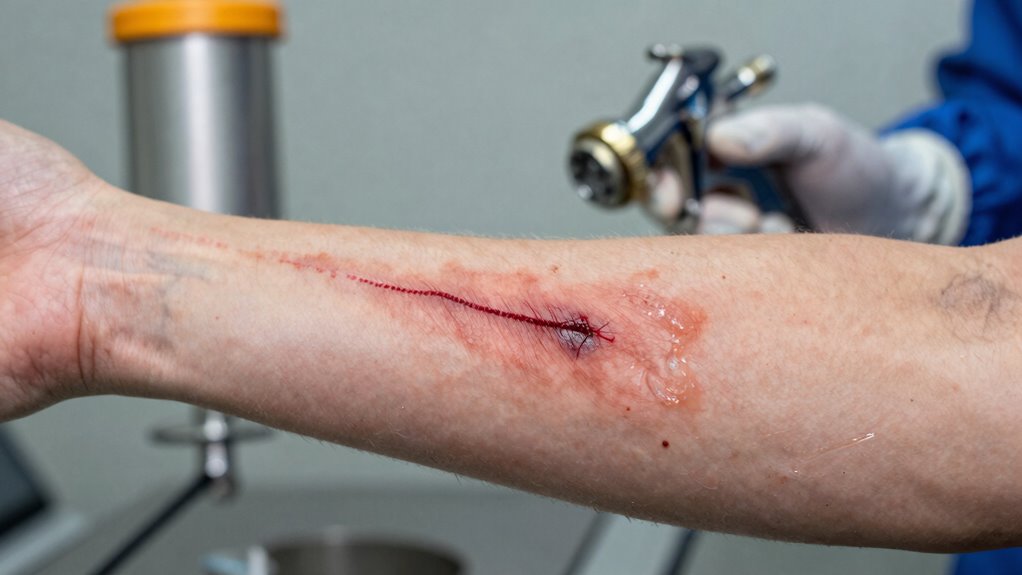
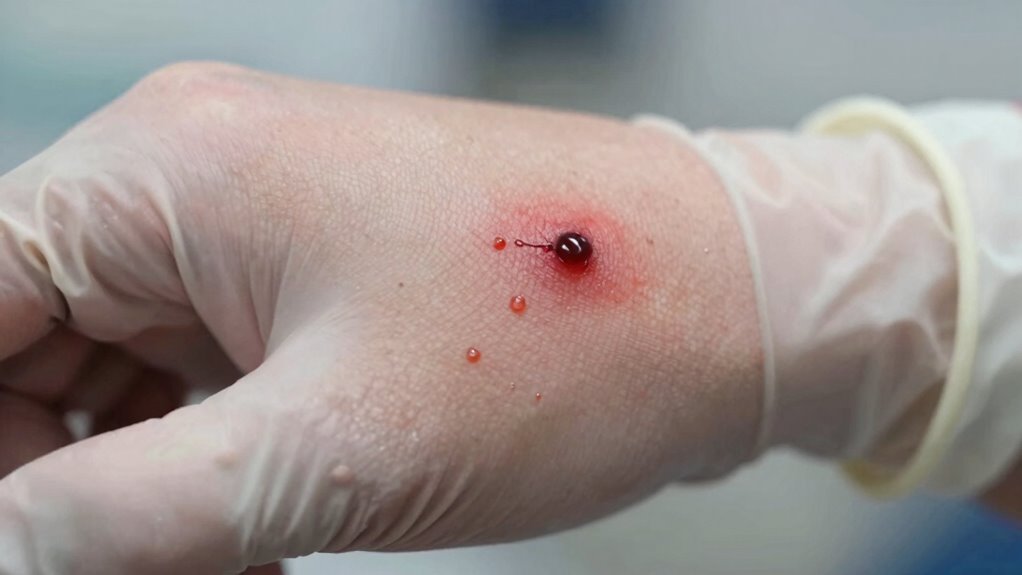
Have you ever wondered how dangerous airless injection injuries can be? These injuries happen when high-pressure equipment forces substances like paint, chemicals, or other liquids into your skin or tissue, often with devastating consequences. That’s why understanding and following safety precautions is essential to prevent injury and protect yourself on the job.
First and foremost, you need to recognize that safety precautions are your best defense against airless injection injuries. Proper training is critical; you should fully understand how the equipment works, including how to operate it safely and what hazards to look out for. Always wear appropriate personal protective equipment—such as gloves, goggles, and long sleeves—to minimize skin exposure. Remember, no protective gear is optional when working with high-pressure devices. Regularly inspecting your tools and equipment is also crucial to catch potential leaks, cracks, or faulty parts that could increase the risk of accidental injury. Never bypass safety features or disable pressure relief valves, as they’re designed to prevent accidents. High-pressure safety protocols**** are vital to ensure that all safety features function correctly and reduce risk.
Injury prevention isn’t just about wearing gear or inspecting equipment; it’s about adopting a cautious mindset every time you handle high-pressure systems. Keep your workspace clear of clutter, so you don’t accidentally trip or mishandle the equipment. Always follow manufacturer instructions precisely—skipping steps or improvising can create dangerous situations. When you’re preparing to use the equipment, double-check that everything is in proper working order and that safety devices are engaged. Never point the nozzle at yourself or others, even if you think you’re being cautious; accidental discharges happen quickly and can be fatal. Additionally, understanding the hazards of high-pressure systems can significantly improve your safety awareness and response. Being aware of pressure-related risks helps you recognize potential warning signs before an accident occurs. It’s also beneficial to stay updated on new safety standards and best practices in handling these systems. Staying informed about the latest safety standards can further enhance your preparedness and protection.
Furthermore, if you’re ever unsure about a procedure, seek guidance or additional training. Don’t take shortcuts or try to save time at the expense of safety. Recognizing the importance of proper safety training can make a crucial difference in preventing injuries. Remember, injury prevention isn’t just about avoiding immediate harm—airless injection injuries can lead to long-term health issues, including tissue necrosis or systemic complications. Staying vigilant and abiding by safety protocols isn’t just a recommendation; it’s a necessity. Your awareness and adherence to safety precautions directly reduce the risk of injury, ensuring that you and everyone around you remain safe while working with high-pressure equipment. In the end, respecting the power of airless injection systems and prioritizing safety is the best way to prevent accidents and maintain a safe working environment.
airless paint sprayer safety PPE kit
As an affiliate, we earn on qualifying purchases.
As an affiliate, we earn on qualifying purchases.
Frequently Asked Questions
What Are the Long-Term Health Effects of Airless Injection Injuries?
Airless injection injuries can lead to long-term health effects like chronic pain and nerve damage if untreated. You might experience ongoing discomfort, numbness, or weakness in the affected area. The injury could also cause tissue scarring or permanent nerve impairment, impacting your daily activities. It’s essential to seek prompt medical attention to minimize these risks, as delayed treatment can worsen nerve damage and prolong recovery.
How Common Are Airless Injection Injuries in the Construction Industry?
You’re more likely to encounter airless injection injuries in the construction industry than you might think, especially if safety protocols aren’t followed. Wearing protective gear is vital to minimize risks, but accidents can still happen without strict adherence to safety procedures. Regular safety training and vigilance reduce injury chances, emphasizing the importance of always following safety protocols to protect yourself from these potentially serious injuries.
What Training Is Required to Safely Operate Airless Injection Equipment?
Imagine a knight preparing for battle—you need proper training to operate airless injection equipment safely. You must complete industry-specific training that covers safety protocols, including how to handle protective gear correctly. This training guarantees you understand the risks and proper procedures, reducing injury chances. Always stay updated on safety standards and follow all guidelines, as this knowledge is essential to prevent accidents and protect yourself on the job site.
Are There Legal Consequences for Safety Violations Related to These Injuries?
If you violate safety rules with airless injection equipment, you face legal consequences like fines or lawsuits due to liability concerns. Regulatory compliance is vital; ignoring safety protocols risks penalties and damages your reputation. You could also be held responsible for injuries caused by negligence, leading to legal action. Staying compliant and following safety rules protects you from these consequences and guarantees a safer work environment.
How Can Workers Identify Early Signs of Injury From Airless Injections?
Did you know that over 90% of airless injection injuries could be prevented with proper safety measures? You can spot early injury signs by paying close attention to symptoms like pain, swelling, numbness, or skin discoloration around the injection site. Always wear protective gear, and if you notice any injury symptoms, stop work immediately, seek medical attention, and report the incident to prevent further harm.
Conclusion
Remember, ignoring safety rules around airless injection equipment is like playing with fire in a haystack—you might think you’re safe, but one careless move can ignite a disaster. Protect yourself by respecting every safety guideline; your well-being is the treasure buried beneath layers of caution. Stay alert, stay cautious, and don’t let a preventable injury turn your confidence into a nightmare. Safety isn’t just a rule—it’s your shield in the dangerous dance of high-pressure technology.
Halloween Picks
halloween
As an affiliate, we earn on qualifying purchases.