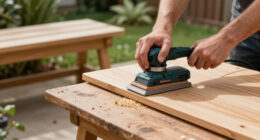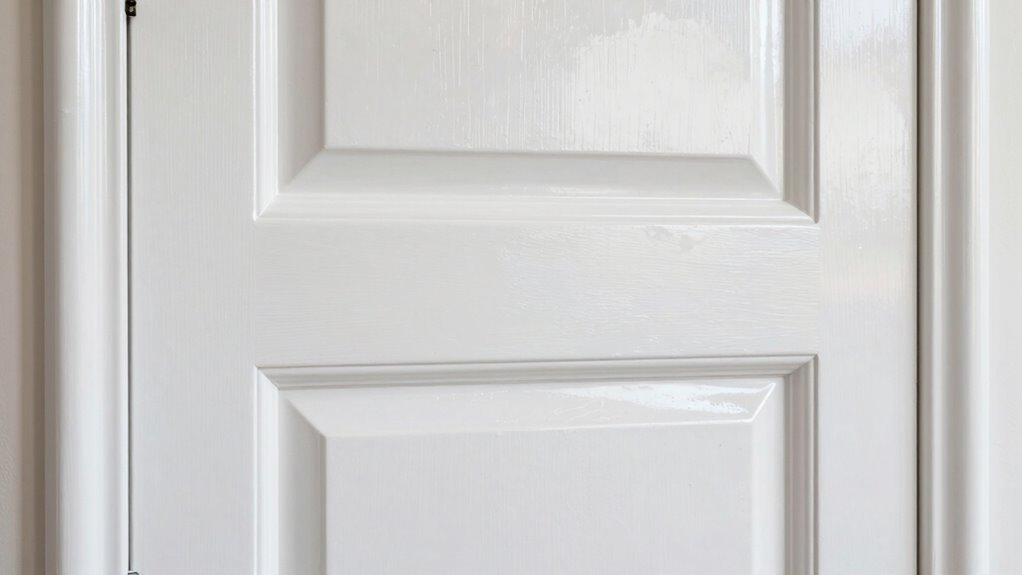

To avoid dry spray and rough textures on doors and trim, guarantee your surface is properly prepared, clean, and smooth, and use high-quality primer and paints. Maintain consistent environmental conditions with good ventilation and stable temperature; this helps the paint dry evenly. Use appropriate brushes or sprayers, load them correctly, and apply thin coats with long, smooth strokes. Practicing techniques and controlling your tools can make a big difference—continue exploring for more tips to achieve a flawless finish.

Get business pricing on tools and workshop supplies
- Business-only prices and quantity discounts
- Tax-exempt purchasing
- Multiple users, one account, clear invoices
Key Takeaways
- Maintain proper airflow and ventilation to prevent dust and debris settling on wet paint.
- Use controlled, sweeping spray motions and practice on scrap material for even application.
- Thin paint coats and apply multiple light layers instead of thick coats for smoother finishes.
- Keep application tools clean and well-maintained to avoid contamination and uneven texture.
- Sand lightly between coats with fine grit paper to smooth surface imperfections and improve adhesion.
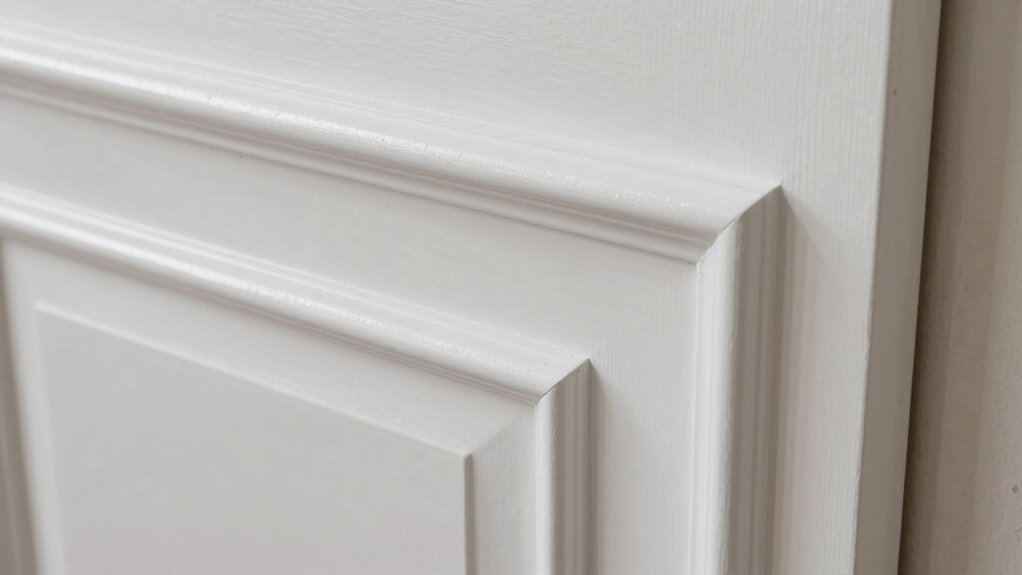
Have you ever considered how doors and trim can transform a room’s look and feel? The right finishing touches can elevate your space from plain to polished, but achieving that smooth, flawless finish requires attention to detail. One common challenge is avoiding dry spray and rough textures, which can ruin an otherwise perfect paint job. To do this, you need to focus on proper paint preparation and mastering effective finishing techniques.
Start with paint preparation. Before you even open your paint, verify your surface is impeccably clean, dry, and free of dust or grease. Sand the trim and doors lightly to create a smooth surface, then wipe away any residual dust with a tack cloth. This step is essential because any debris or uneven surface can lead to imperfections like rough textures once painted. Also, consider using a high-quality primer suited for your material; it promotes better paint adhesion and helps achieve an even finish. Proper paint preparation minimizes the chances of dry spray, which occurs when paint particles dry mid-air and settle as a rough coating on your surface. Additionally, ensuring proper airflow in your workspace can help dissipate paint fumes and prevent unwanted particles from settling on your wet paint. Understanding the importance of paint quality can significantly influence the final appearance of your project. Furthermore, maintaining consistent temperature and humidity levels in your workspace can help improve paint drying and adhesion, preventing surface imperfections. Using the right application tools and techniques further reduces the likelihood of dry spray and uneven texture. Paying attention to paint application techniques can make a noticeable difference in your results.
Ensure surfaces are clean, dry, and smooth before painting for a flawless, even finish.
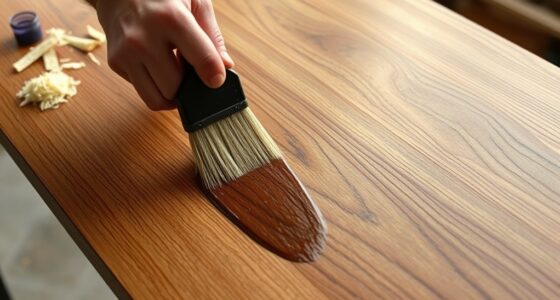
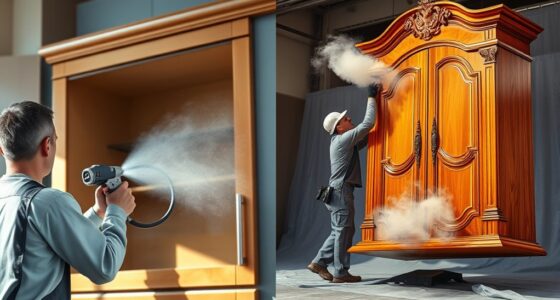
When it comes to finishing techniques, your goal is to apply the paint evenly with minimal overspray or dry spray. Use a high-quality brush or roller designed for trim work—preferably a synthetic brush for water-based paints or a natural bristle for oil-based finishes. Keep your tools clean and well-maintained, and avoid overloading them with paint. Load your brush or roller just enough to cover the surface without excess that can cause drips or uneven application. When applying paint, use long, smooth strokes, and avoid going back and forth over the same spot too many times. This helps prevent uneven buildup that can lead to dry spray and rough patches. Maintaining a consistent distance from the surface and keeping the tool moving steadily are crucial for a professional look. When spraying, hold the sprayer at a consistent distance, usually about 10-12 inches, and use sweeping motions to produce a fine, even mist. Practice on a scrap piece first to adjust your technique and spray pattern. Thin coats are better than thick ones; multiple light coats dry more evenly and reduce the risk of rough textures. After each coat, lightly sand with a fine grit paper if needed, then clean off dust before applying the next layer. Using airless paint sprayers can provide a more controlled and even application, helping to minimize dry spray. Proper technique and preparation are vital to achieving a professional finish that enhances your space’s overall look. Remember, patience and attention to detail are key to avoiding dry spray and achieving a smooth, flawless surface.
high-quality primer for doors and trim
As an affiliate, we earn on qualifying purchases.
As an affiliate, we earn on qualifying purchases.
Frequently Asked Questions
What Types of Paint Are Best for Doors and Trim?
For doors and trim, you should choose a high-quality, semi-gloss or satin finish paint, as these provide durability and a smooth appearance. Using a good primer is essential to guarantee even coverage and prevent rough texture. Opt for oil-based or water-based paints suitable for trim, and always match the paint sheen to your desired look. Proper prep and thin coats help avoid dry spray and achieve a professional finish.
How Long Should I Wait Between Coats?
Think of the drying schedule as a delicate dance, guiding your brush techniques. You should wait at least 2-4 hours between coats, but check the paint’s instructions for specifics. Rushing too soon can cause dry spray and rough texture. Use light, even strokes, and avoid over-brushing. Patience allows each layer to set properly, creating a smooth, flawless finish that mirrors a well-rehearsed performance.
Can I Paint Over Existing Finishes Without Sanding?
You can paint over existing finishes without sanding if you guarantee proper surface preparation and paint compatibility. First, clean the surface thoroughly to remove dirt and grease. Then, lightly sand glossy areas to improve adhesion or use a deglosser. Check that your new paint is compatible with the old finish. This process helps prevent issues like dry spray or rough texture, resulting in a smooth, durable finish.
What Tools Help Achieve a Smooth Finish?
To achieve a smooth finish, you need the right tools and techniques. Use high-quality brushes and foam rollers to apply paint evenly, practicing proper brush techniques like light, consistent strokes. Incorporate gentle sanding methods between coats with fine-grit sandpaper to smooth out any imperfections. This combination helps prevent dry spray and rough texture, giving you a professional-looking finish. Always keep tools clean for the best results.
How Do Humidity Levels Affect Drying Times?
You might find it surprising, but high humidity slows down drying time, while low humidity speeds it up. Humidity impact is significant; too much moisture in the air prevents paint from curing properly, leading to rough textures. Conversely, dry conditions allow for quicker drying, reducing the risk of dry spray. To guarantee a smooth finish, monitor humidity levels and adjust your painting schedule accordingly.
Conclusion
By following these tips, you can achieve a smooth, professional finish on your doors and trim, avoiding dry spray and rough textures. Remember, proper preparation and technique make all the difference. Did you know that a well-painted door can boost your home’s value by up to 10%? So, take your time, stay patient, and enjoy the rewarding transformation of your space—your efforts will definitely pay off with a flawless, polished look.
Halloween Picks
halloween
As an affiliate, we earn on qualifying purchases.