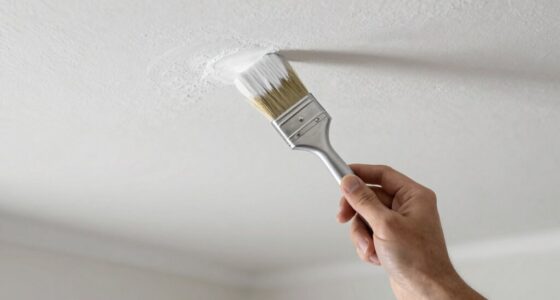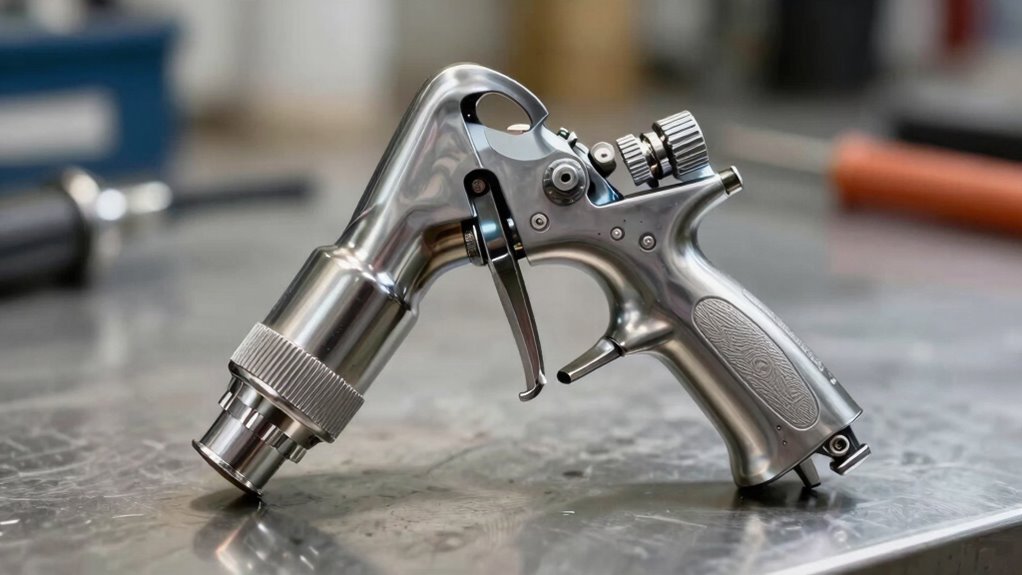

Using a fine-finish spray gun isn’t just about choosing a smaller tip. Your success depends on proper maintenance and precise adjustments to the spray pattern, air, and fluid flow. Neglecting these can lead to uneven finishes, overspray, or wasted material. When you keep your equipment clean and fine-tune it for each project, you guarantee smooth atomization and professional results. Keep exploring, and you’ll discover how mastering these factors makes a real difference in your finishes.

Get business pricing on tools and workshop supplies
- Business-only prices and quantity discounts
- Tax-exempt purchasing
- Multiple users, one account, clear invoices
Key Takeaways
- Proper spray pattern adjustment and maintenance are more important than tip size for achieving fine finishes.
- Smaller tips do not automatically guarantee better results; correct setup is essential.
- Consistent cleaning and fine-tuning ensure optimal atomization and smooth application.
- Adjusting air and fluid flow improves spray quality regardless of tip size.
- Mastering tool care and settings enhances finish quality more than simply using smaller tips.
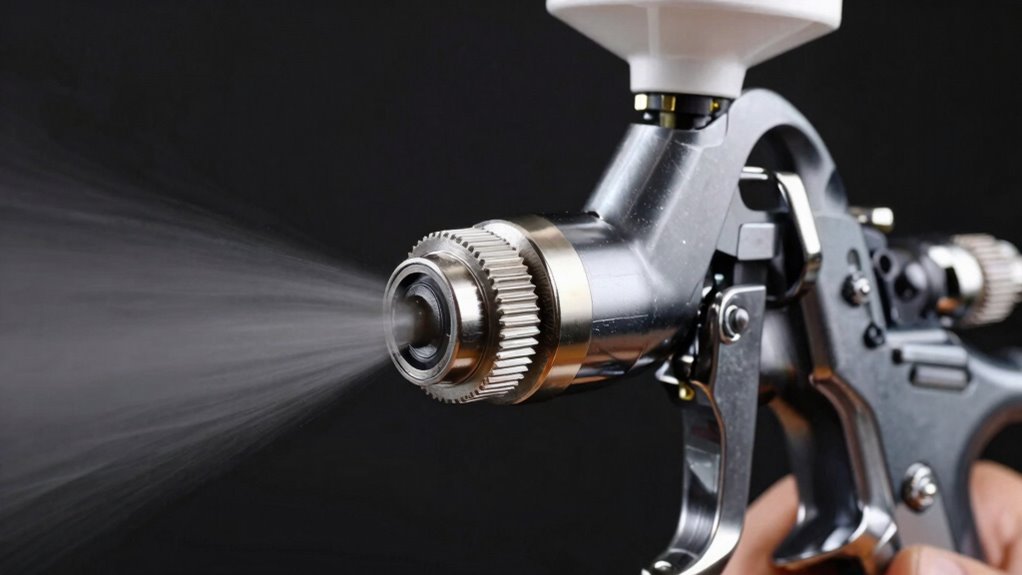
Fine-finish spray guns are essential tools for achieving smooth, professional-quality coatings on various surfaces. While many assume that smaller tips are the main factor in creating fine finishes, the truth is that the overall performance of your spray gun depends on more than just tip size. Proper spray gun maintenance plays a pivotal role in guaranteeing your spray gun operates at its best, allowing you to produce flawless results every time. Regularly cleaning your spray gun, including the nozzle, air cap, and fluid passages, prevents clogs and buildup that can compromise spray quality. When you neglect spray gun maintenance, you risk uneven spray patterns, inconsistent finishes, and increased wear on components, all of which hinder your ability to achieve a smooth coat. Understanding spray gun mechanics can help you troubleshoot issues more effectively and improve your results.
Regular spray gun cleaning ensures optimal performance and flawless finishes.
A key part of maintaining your spray gun’s performance is mastering spray pattern adjustment. This process isn’t just about changing the size of the spray; it involves fine-tuning the air and fluid flow to produce a consistent, even pattern. When you adjust the spray pattern correctly, you guarantee the paint atomizes properly and applies smoothly without overspray or runs. Many spray guns come with adjustable knobs or controls that let you modify the pattern width and shape. Spend time dialing these in for each project, as a well-optimized spray pattern leads to more uniform coverage and reduces material waste. Additionally, understanding spray gun mechanics can help you identify and correct issues swiftly, saving you time and effort. It’s also beneficial to familiarize yourself with different nozzle configurations to better match your gun to specific applications.
Don’t fall into the trap of thinking that smaller tips automatically mean better finishes. While smaller tips are useful for detailed work or tight spots, they don’t compensate for improper spray pattern adjustment or poor maintenance. Instead, focus on understanding how to set your spray gun correctly. For example, increasing the air pressure slightly or adjusting the fluid flow can greatly improve the spray pattern and the quality of your finish. Remember, the key to a quality finish is achieving a proper spray pattern with consistent atomization, regardless of tip size. Developing a regular maintenance routine will also help keep your equipment functioning at its best and ensure consistent results over time.
Furthermore, mastering spray gun maintenance and pattern adjustment allows you to work more efficiently. When your spray gun is in prime condition, you spend less time correcting mistakes or dealing with material waste. This not only saves you money but also enhances your overall craftsmanship. Proper spray gun maintenance also reduces the likelihood of costly repairs and extends the lifespan of your equipment. Ultimately, achieving professional-quality finishes isn’t just about the tool you use; it’s about how well you understand and care for your spray gun, guaranteeing each spray delivers precisely what you need for a smooth, flawless finish.
professional spray gun maintenance kit
As an affiliate, we earn on qualifying purchases.
As an affiliate, we earn on qualifying purchases.
Frequently Asked Questions
How Do I Choose the Right Spray Gun for My Project?
To choose the right spray gun for your project, consider paint compatibility to guarantee it works smoothly with your materials. Also, evaluate spray gun ergonomics for comfort during extended use. You want a gun that’s easy to handle and reduces fatigue. Think about the size of the tips, but remember, it’s about more than just that—matching the gun to your specific project needs guarantees a better finish and easier application.
What Maintenance Is Required for Fine-Finish Spray Guns?
You need to follow proper cleaning procedures after each use to keep your fine-finish spray gun in top shape. Disassemble the gun and rinse all parts with appropriate solvent, paying special attention to the nozzle. Regularly inspect the nozzle for wear and replace it if needed to guarantee smooth application. Proper maintenance prevents clogging, maintains spray quality, and prolongs the life of your spray gun.
Can I Use Different Types of Paints With These Guns?
Yes, you can use different types of paints with fine-finish spray guns, but you need to ensure paint compatibility and tip size. Thinner paints work best with smaller tips to prevent clogging, while thicker paints may require larger tips. Always check the manufacturer’s recommendations for the specific paint type and adjust your tip size accordingly. Proper cleaning between uses guarantees peak performance regardless of the paint you choose.
How Does Air Pressure Affect Spray Gun Performance?
Air pressure adjustments directly influence your spray gun’s performance, affecting both the spray pattern control and the finish quality. Higher pressure can increase atomization, giving you a smoother, more even coat, but may cause overspray. Lower pressure offers better control and less overspray but might require multiple passes. Adjust your air pressure carefully to match the paint type and project needs, ensuring the best results with precise spray pattern control.
Are There Safety Precautions When Using Fine-Finish Spray Guns?
When using fine-finish spray guns, you should wear protective gear like masks, goggles, and gloves to shield yourself from fumes and overspray. Guarantee proper ventilation safety by working in a well-ventilated area or using exhaust systems to prevent inhaling harmful particles. Always read the manufacturer’s safety instructions, check your equipment regularly, and handle the spray gun carefully to avoid accidents and ensure a safe, effective finish.
Conclusion
Now that you know fine-finish spray guns aren’t just about smaller tips, you can truly appreciate their versatility. Picture yourself effortlessly gliding the gun over a pristine surface, the smooth, even coat revealing every fine detail. With the right gun, your projects transform into works of art, each stroke whispering precision and care. It’s more than equipment—it’s your partner in creating flawless finishes that stand the test of time.
Halloween Picks
halloween
As an affiliate, we earn on qualifying purchases.