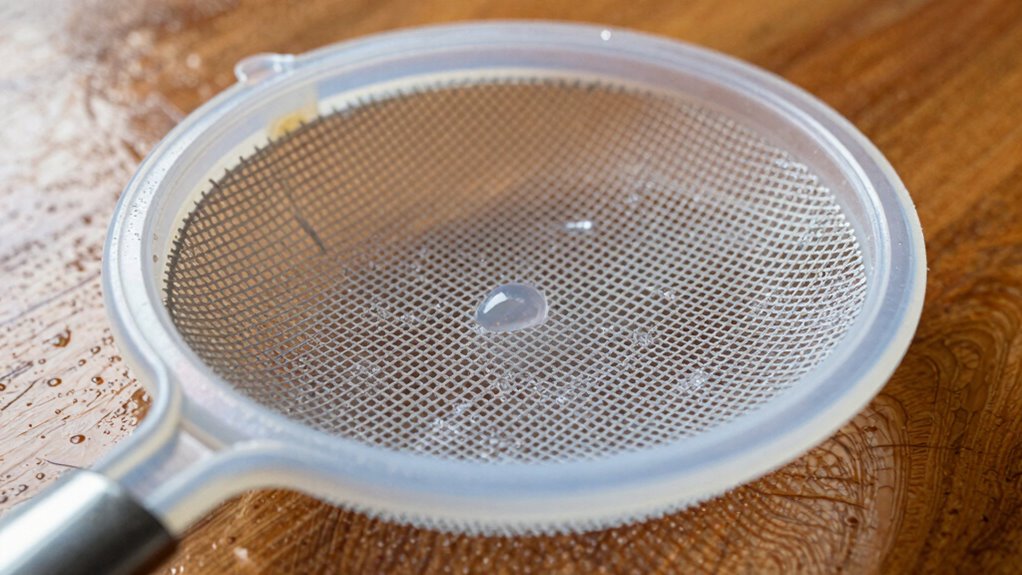
Using a paint strainer is a simple yet highly effective step to prevent tip clogs, which cause uneven spray and messy finishes. By filtering out debris, lumps, and impurities before application, you can guarantee a smooth, professional look and reduce the chances of needing touch-ups later. Skipping this step often leads to clogged tips and frustrating rework. Want to learn how to make the most of this easy technique? Keep going for helpful tips.
Key Takeaways
- Using paint strainers removes debris and lumps, significantly reducing tip clogs during application.
- Straining paint ensures a smooth, consistent flow, preventing uneven coverage and streaks.
- Incorporating strainers into your process minimizes the risk of clogged sprayer tips by catching particles beforehand.
- Regularly replacing or cleaning strainers maintains their effectiveness in preventing tip clogs.
- Straining paint is a simple, cost-effective step that dramatically decreases the chances of tip clogging in painting projects.
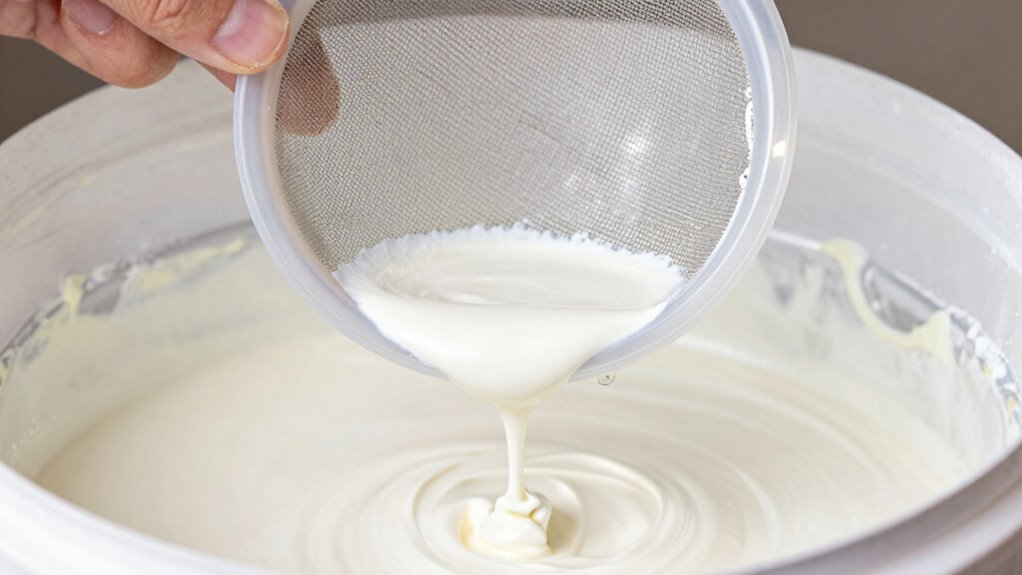
Paint strainers are essential tools that help you achieve a smooth, professional finish by removing debris, lumps, and other impurities from your paint before application. Skipping this step can lead to uneven coats, clogging your sprayer or roller, and ultimately ruining your project. When you pour paint through a strainer, you catch unwanted particles that could cause drips or streaks, ensuring your final result looks flawless. It’s a simple step, but it makes a significant difference, especially if you’re working with older paint or batches that haven’t been mixed well. Using proper tools like strainers is a key part of maintaining your equipment and ensuring the best possible finish.
Proper brush maintenance is also crucial when you’re preparing for painting. Before starting, inspect your brushes for any dried paint or debris stuck in the bristles. Clean them thoroughly with water and soap if you’re using latex paint, or with mineral spirits for oil-based paints. Well-maintained brushes hold their shape better and distribute paint evenly, reducing the likelihood of streaks or uneven coverage. When you’re finished, clean your brushes carefully to prolong their lifespan. This ongoing maintenance keeps your tools in top shape, making your painting process smoother and more efficient.
Roller selection plays a vital role in achieving a professional finish. Choose the right roller for your project—smooth rollers for walls, thicker nap rollers for textured surfaces. When you use a roller, always load it correctly, and consider passing the paint through a strainer beforehand if you’re concerned about impurities. This extra step helps prevent roller clogs and uneven application caused by trapped debris. Additionally, selecting high-quality rollers with the appropriate nap length ensures even coverage without leaving lint or streaks behind.
Frequently Asked Questions
Can Paint Strainers Be Reused Multiple Times?
Yes, you can reuse paint strainers multiple times if they’re durable and properly cleaned. Look for cost-effective strainers made from sturdy materials, which can withstand several uses without tearing or losing effectiveness. After each use, rinse them thoroughly to remove paint residue and allow them to dry completely. This way, you maximize their durability, save money, and prevent tip clogs, ensuring smooth painting projects every time.
What Types of Paint Require Strainers?
Imagine pouring thick, syrupy paint through a sieve—you know it’s going to clog your sprayer. You should strain paints with high viscosity or uneven paint thickness, like latex or oil-based paints, to guarantee smooth application. Thicker paints tend to contain lumps or debris, making strainers essential. Using strainers helps prevent tip clogs and results in a flawless finish, especially with paints that have variable viscosity.
How Do I Clean a Used Paint Strainer?
To clean a used paint strainer, first remove it from your brush and dispose of excess paint responsibly. Rinse the strainer under warm water, gently squeezing to loosen paint residue. For stubborn paint, use a brush or scraper. After cleaning, dry it thoroughly to prevent mold. Proper brush cleaning and paint disposal help maintain your tools and guarantee your next project goes smoothly, preventing clogs and ensuring a clean finish.
Are Mesh Paint Strainers Better Than Paper Ones?
Think of mesh paint strainers as your paint’s loyal gatekeepers, catching debris before it hits your tip, while paper ones are like quick guards who do the job temporarily. Mesh strainers are reusable, making them cost-effective over time, though they come with a higher upfront price. Paper strainers are cheaper initially but need frequent replacements. Ultimately, mesh offers durability and better filtration, saving you money and frustration in the long run.
When Should I Replace a Paint Strainer?
You should replace a paint strainer when it becomes clogged, torn, or visibly dirty to maintain paint safety and avoid inconsistent application. Using a fresh strainer reduces the environmental impact by preventing waste and ensuring proper disposal. Regularly changing strainers also helps you achieve a smoother finish and minimizes clogging in your spray tips, which keeps your project efficient and eco-friendly. Always inspect and replace as needed for peak results.
Conclusion
Using paint strainers might be an optional step, but it can prevent 90% of tip clogs, saving you time and frustration. Imagine spending hours painting only to have your tip clog and ruin your work—sounds frustrating, right? By taking just a moment to strain your paint, you drastically reduce that risk. So, next time you paint, remember: a simple step like this can make all the difference, keeping your project smooth and hassle-free.