To paint your brick or masonry exterior, start by thoroughly cleaning and repairing any cracks or damaged mortar to guarantee a stable surface. Use high-quality, breathable masonry paint and apply multiple thin coats with proper drying time in between. Proper preparation, such as cleaning and repairing, helps the paint last longer and look better. Continuing with these tips will give you the confidence to achieve a durable, attractive finish for your home’s exterior.
Key Takeaways
- Properly clean and repair the masonry surface before painting to ensure adhesion and durability.
- Use high-quality, breathable masonry paint applied in multiple thin coats for best results.
- Ensure the surface is dry and above 50°F before painting to prevent issues with adhesion and curing.
- Select appropriate brushes or rollers designed for masonry surfaces for a smooth, even finish.
- Allow each coat to fully dry and follow manufacturer instructions to achieve a long-lasting, attractive exterior.

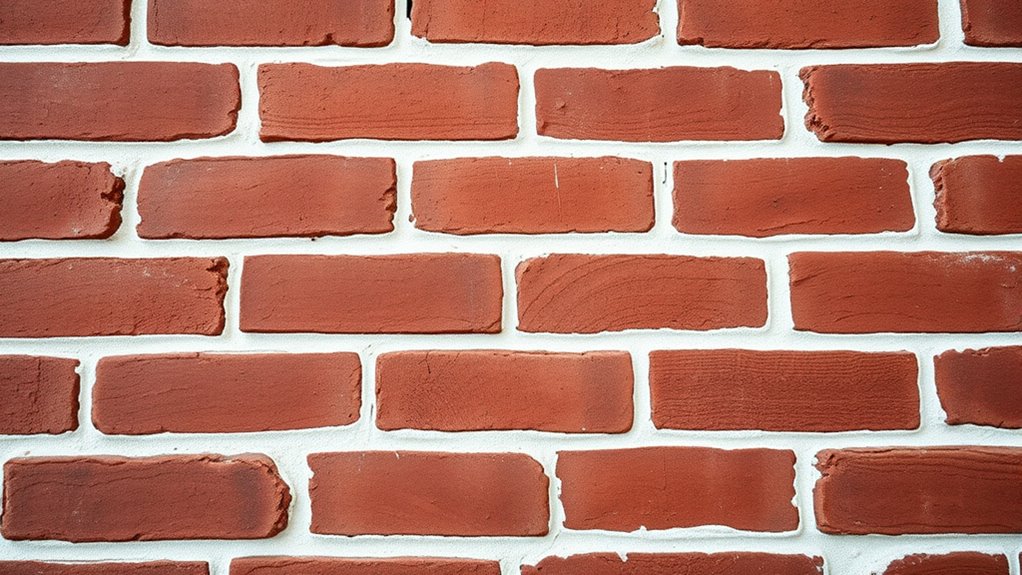
Painting exteriors with brick or masonry surfaces can refresh the look of your home and enhance its durability. If your brick or masonry has faded or lost its vibrancy over time, color restoration can make a significant difference. Restoring the original hues or choosing a new color can dramatically improve curb appeal. However, before you embark on painting, proper surface preparation is essential. Masonry surfaces are porous and can absorb paint unevenly if not prepped correctly, leading to peeling or inconsistent coverage. You need to clean the surface thoroughly, removing dirt, efflorescence, and loose particles. Power washing is often the best way to do this, but you should be cautious not to damage the mortar or surface. Once cleaned, inspect the surface carefully for cracks, chips, or deteriorated mortar. Repair these issues before painting to ensure a smooth, even finish and to prevent future damage. Filling cracks and repointing mortar joints with suitable materials will help create a stable base for paint adhesion.
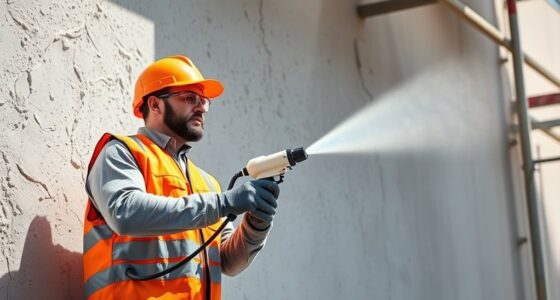
Choosing the right type of paint is equally important, especially since masonry surfaces face exposure to weather elements. A high-quality, breathable masonry paint is ideal because it allows moisture to escape, preventing issues like blistering or mold growth. When applying the paint, confirm your surface is dry and at the right temperature, typically above 50°F, to promote proper adhesion. Apply the paint in even coats, using brushes or rollers specifically designed for masonry surfaces. Multiple thin coats will yield a more durable and aesthetically pleasing finish compared to a single thick coat. Don’t forget to let each layer dry fully before applying the next, following the manufacturer’s instructions.
Color restoration isn’t just about hiding imperfections; it’s about revitalizing your home’s exterior with a fresh, vibrant look. Whether you’re restoring the original color or opting for something new, keep in mind that the right preparation and paint selection are key to lasting results. Take your time with surface preparation—this step ensures your paint adheres properly and lasts longer. The effort you put into cleaning, repairing, and choosing the right materials pays off by providing a durable, attractive surface that withstands the elements. With patience and attention to detail, you’ll be rewarded with a beautifully refreshed exterior that boosts your home’s character and value.
Frequently Asked Questions
How Long Does Painted Brick or Masonry Last Before Repainting?
You can expect painted brick or masonry to last around 5 to 10 years before needing a repaint, depending on paint durability and weather conditions. To extend its lifespan, follow maintenance tips like cleaning the surface regularly, inspecting for cracks, and touching up any chipped paint promptly. Proper preparation and using high-quality exterior paint also help make sure your painted brick or masonry stays vibrant and protected longer.
Can I Paint Over Existing Textured or Patterned Masonry Surfaces?
Yes, you can paint over textured or patterned masonry surfaces, but proper surface preparation is key. You need to clean the surface thoroughly, remove any loose paint or debris, and repair any cracks or damage. These steps ensure good paint adhesion, which helps the new coat last longer. Using a primer designed for masonry surfaces also improves adhesion and guarantees the paint bonds well to the textured or patterned surface.
What Are the Best Weather Conditions for Painting Exteriors?
Like a painter waiting for the perfect dawn, you should choose weather considerations and seasonal timing carefully. Ideally, paint on days with mild temperatures between 50-85°F, low humidity, and little to no rain. Avoid painting in direct sunlight or during high winds, as these can cause uneven drying or damage. Planning your project during the right weather window guarantees your brick or masonry surface looks fresh and lasts longer.
Are Special Brushes or Rollers Needed for Textured Surfaces?
For textured surfaces, you’ll want to choose the right brush types, like stiff-bristled brushes or specialty brushes designed for rough surfaces. Rollers with thick nap or specialty rollers work best, using specific roller techniques to guarantee even coverage. These tools help reach the crevices and uneven areas, giving you a professional finish. Always test your brushes and rollers first to see which work best for your surface’s texture.
How Do I Prevent Paint From Peeling on Brick or Masonry?
To prevent paint from peeling on brick or masonry, start with thorough surface preparation, cleaning all dirt, efflorescence, and loose paint. Repair any cracks or damaged areas. Use a high-quality primer to improve paint adhesion, ensuring it bonds well with the textured surface. Apply the paint in thin, even coats, and avoid painting in direct sunlight or extreme temperatures. Proper preparation and primer are key to long-lasting, peeling-free results.
Conclusion
Painting brick or masonry exteriors can dramatically boost your home’s curb appeal, and it’s more affordable than you might think. Did you know that properly painted exteriors can increase your home’s value by up to 10%? With the right preparation and quality paint, you’ll enjoy a fresh, durable look that lasts for years. So, don’t wait—refresh your home’s exterior and make a stunning first impression today!