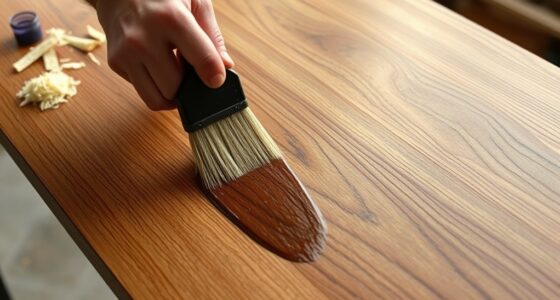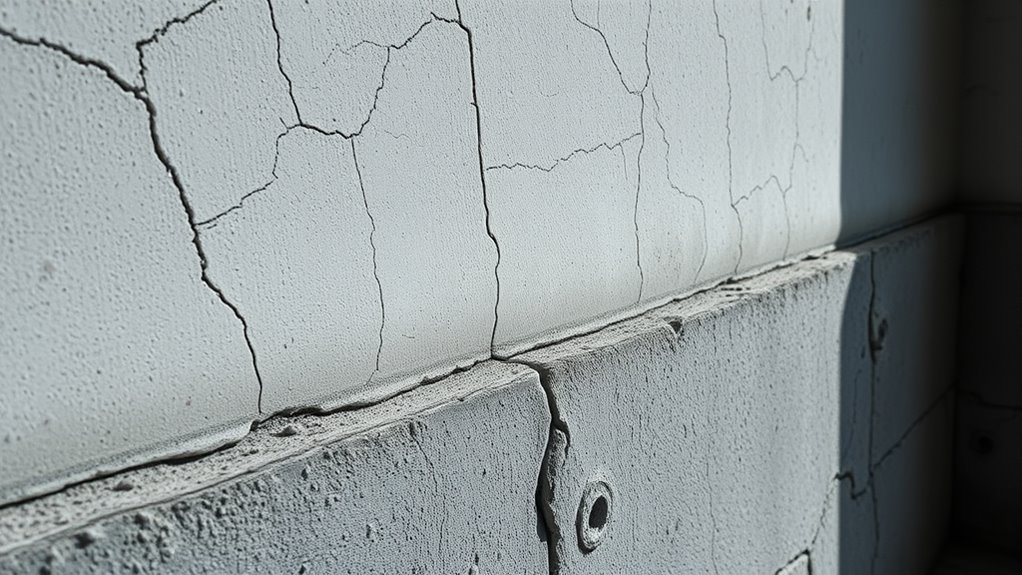

To paint concrete walls and foundations, start by thoroughly cleaning the surface with a stiff brush or pressure washer to remove dirt, dust, and grease. Repair any cracks, then apply a primer specifically designed for concrete to seal and improve adhesion. Choose high-quality latex or masonry paint suitable for indoor or outdoor use. Use multiple thin coats for a smooth, durable finish, and guarantee proper drying time. Keep these tips in mind to achieve lasting results, and you’ll uncover more essential steps along the way.
Key Takeaways
- Thoroughly clean and repair the concrete surface to ensure proper adhesion and a smooth finish.
- Apply a concrete primer to seal the surface and improve paint bonding.
- Choose high-quality, weather-appropriate paint suited for interior or exterior concrete.
- Use multiple thin coats with appropriate tools for even coverage and durability.
- Ensure proper drying, ventilation, and surface preparation to enhance the longevity of the paint job.
Have you ever wondered how to transform plain, dull concrete walls into eye-catching features? The secret lies in proper surface preparation and choosing the right paint. Before you even think about applying color, you need to guarantee the surface is ready for the transformation. Concrete surfaces are porous and can absorb moisture, which can cause paint to peel or blister over time. Start by cleaning the walls thoroughly—removing dirt, dust, grease, or any loose debris with a stiff brush or pressure washer. If there are stains or efflorescence, use a mixture of water and mild detergent or a specialized cleaner to eliminate them. Once cleaned, inspect the surface for cracks, chips, or uneven areas. Fill small cracks with a high-quality concrete patch or filler, and sand rough patches smooth. This preparation creates a uniform base, ensuring the paint adheres properly and lasts longer. An additional step is to consider the surface porosity, as it impacts how well the primer and paint will bond to the concrete.
Next, consider surface priming. Applying a concrete primer helps seal the surface, blocking moisture and improving paint adhesion. Choose a primer specifically designed for concrete, especially if you’re working with previously painted or stained walls. Priming not only enhances durability but also helps you achieve a more even finish, especially if you’re working with a porous or uneven surface. Once the primer dries, it’s time to select your paint. The type of paint you choose makes a big difference in the final look and longevity of your project. For interior concrete walls, a high-quality latex or acrylic paint is usually sufficient, offering good adhesion and flexibility. For exterior surfaces, opt for an elastomeric or masonry paint that can withstand weathering, moisture, and temperature fluctuations. Color selection is also key—consider the environment and the mood you want to create. Light colors can make a space feel larger and brighter, while darker hues add depth and sophistication.
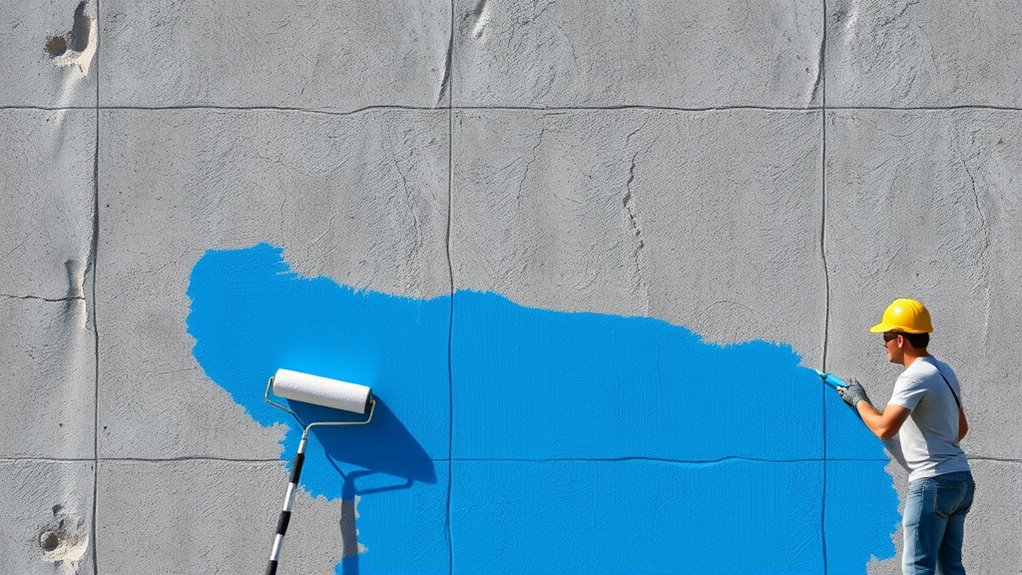
When applying the paint, follow the manufacturer’s instructions regarding drying times and coats. Use a brush or roller designed for masonry surfaces to get an even coat. Applying multiple thin coats is better than one thick layer, as it reduces drips and ensures full coverage. Keep the area well-ventilated and avoid painting in extreme weather conditions, especially for outdoor projects. By paying attention to surface preparation and making informed paint choices, you’ll set a strong foundation for a beautiful, durable finish. Properly prepared and painted concrete walls can become stunning focal points, adding character and value to your space for years to come.
Frequently Asked Questions
How Long Does Painted Concrete Last Before Needing Touch-Ups?
Painted concrete typically lasts 5 to 10 years before needing touch-ups, depending on paint durability and environmental factors. To maximize longevity, follow maintenance tips like cleaning the surface regularly and inspecting for cracks or peeling. Use high-quality, weather-resistant paint, and reapply as needed to maintain appearance and protection. Proper maintenance guarantees your concrete stays vibrant and durable, reducing the frequency of touch-ups and extending the life of your paint job.
Can I Paint Over Existing Stains or Graffiti on Concrete?
Yes, you can paint over existing stains or graffiti on concrete, but first, you need to do proper surface cleaning and graffiti removal. Start by thoroughly cleaning the surface to remove dirt, oils, and loose debris. For graffiti, use a specialized remover to eliminate all traces. Once the surface is clean and dry, apply a suitable primer before painting, ensuring long-lasting results and better adhesion.
What Are the Best Weather Conditions for Concrete Wall Painting?
You’ll want to paint when temperatures are between 50°F and 85°F, as this range covers about 80% of annual weather conditions. Ideal conditions include stable temperature control and moisture management, so avoid rainy days or high humidity. Clear, dry weather ensures proper adhesion and curing, preventing issues like peeling or mold. Planning your project around these conditions guarantees a longer-lasting, professional-looking finish.
Is Special Preparation Needed for Painted Concrete in Humid Areas?
Yes, special preparation is needed for painted concrete in humid areas. You should address humidity concerns by thoroughly drying the surface and using dehumidifiers if necessary. Applying a high-quality primer with surface sealing properties helps prevent moisture from seeping in. This preparation guarantees better adhesion of the paint, reduces peeling or mold growth, and prolongs the durability of your painted surface in areas with high humidity.
How Do I Prevent Peeling or Flaking Over Time?
To prevent peeling or flaking over time, you should guarantee proper surface sealing before painting. Use a high-quality, moisture-resistant primer to create a strong base. Additionally, select suitable paint designed for concrete and humid environments, such as elastomeric or acrylic coatings. Proper surface preparation, including cleaning and repairing any cracks, combined with these steps, helps your paint last longer and resist peeling or flaking effectively.
Conclusion
Painting concrete walls transforms a cold, unyielding surface into a vibrant canvas of personality. With each brushstroke, you breathe new life into what once seemed dull and lifeless, turning your walls into a masterpiece waiting to be admired. Remember, your brush is like a poet’s pen, capable of turning rough concrete into a flowing work of art. So, pick up your tools and let your creativity pour out—your walls are ready to tell their colorful story.