
When your spray socks, suits, and PPE layers are comfortable, you’re more likely to wear them properly and consistently. Breathable materials prevent heat and moisture buildup, reducing discomfort and sweating. An ergonomic fit minimizes pressure points and fatigue, encouraging you to keep your PPE in the right position. Proper layering and innovative fabrics enhance airflow and functionality. Keep exploring how comfort and safety go hand in hand, and you’ll discover effective ways to stay protected longer.

Get business pricing on tools and workshop supplies
- Business-only prices and quantity discounts
- Tax-exempt purchasing
- Multiple users, one account, clear invoices
Key Takeaways
- Comfortable PPE reduces the need for frequent adjustments, ensuring continuous protection during extended use.
- Proper fit and breathability prevent heat stress and discomfort, encouraging consistent PPE compliance.
- Ergonomic design minimizes pressure points and chafing, promoting longer, safer wear periods.
- Lightweight, breathable materials support airflow, decreasing sweat buildup and associated non-compliance risks.
- Maintaining comfort through proper layering and fit enhances overall safety and adherence to protocols.
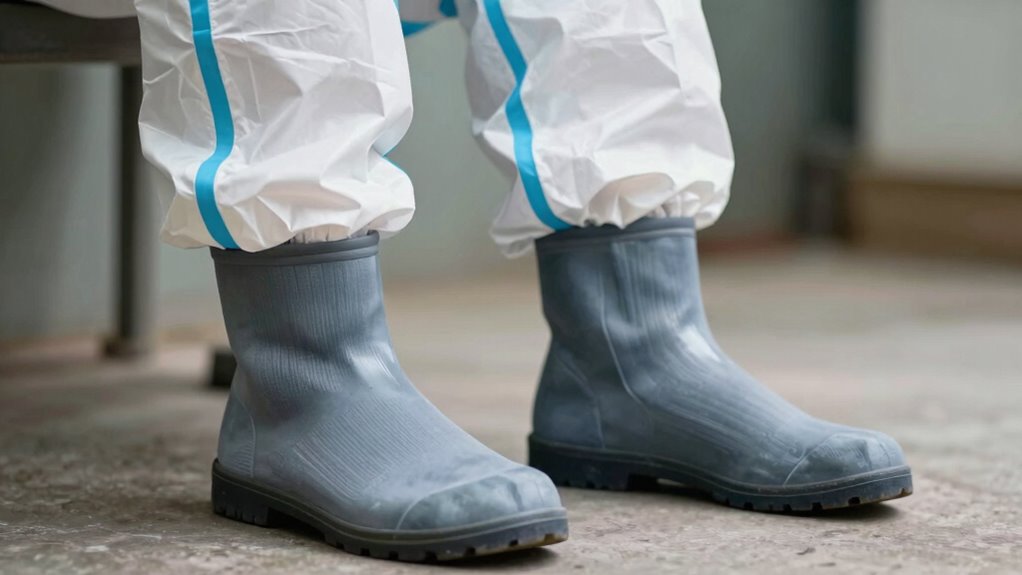
Wearing personal protective equipment (PPE) can often feel uncomfortable, but understanding how to layer it properly can make a significant difference in both comfort and compliance. When you’re working with spray socks, suits, and other PPE layers, the key lies in balancing protection with comfort. Material breathability plays an essential role here—if your PPE materials trap heat and moisture, you’ll quickly become uncomfortable, which can lead to adjustments that compromise safety. Choosing PPE made from breathable fabrics allows air to circulate, preventing overheating and reducing sweat buildup. This makes it easier to wear your gear for extended periods without feeling weighed down or overheated, promoting consistent compliance with safety protocols.
Breathable PPE enhances comfort and safety by preventing heat buildup and ensuring long-lasting compliance.
Equally important is the ergonomic design of PPE. PPE that fits well and moves with your body minimizes discomfort and fatigue. When gear is ergonomically designed, it reduces pressure points and allows for better freedom of movement. Incorporating proper sizing into PPE design is crucial to ensure that layers do not bunch or pinch, especially when wearing multiple layers like spray socks under suits. Properly designed PPE also considers the natural contours of your body, ensuring that protective layers stay in place and don’t cause chafing or irritation during long shifts. When PPE fits comfortably, you’re less likely to remove or adjust it unnecessarily, which helps maintain a secure barrier against hazards. A proper understanding of PPE layering techniques can further enhance comfort and safety. Incorporating innovative materials into PPE can also improve breathability and fit, further boosting comfort and compliance. Additionally, paying attention to proper donning and doffing procedures can help maintain the integrity and comfort of the layers.
Layering PPE correctly involves more than just piling on protective gear. It requires an understanding of how materials interact and how design influences fit. For instance, wearing spray socks made from lightweight, breathable fabrics beneath a suit made with ergonomic considerations ensures you stay cool without sacrificing protection. The right combination prevents heat stress and discomfort, which are common reasons for non-compliance. Additionally, considering the importance of biodiversity, selecting PPE made from sustainable and environmentally friendly materials can contribute to ecological conservation efforts. When you’re comfortable, you’re more likely to keep your PPE on for the entire duration of your task, reducing the risk of exposure.
Ultimately, comfort isn’t just a luxury—it directly impacts your safety and the effectiveness of protective measures. Prioritizing PPE with good material breathability and ergonomic design ensures you stay comfortable, confident, and compliant. When your gear fits well and allows air flow, it becomes an extension of your safety protocol rather than an obstacle. This makes it easier to maintain proper PPE usage, keeping you protected without sacrificing comfort.
As an affiliate, we earn on qualifying purchases.
Frequently Asked Questions
How Do Spray Socks Differ From Traditional Socks?
Spray socks differ from traditional socks mainly in their sock insulation and moisture-wicking fabric. They’re designed to fit tightly and provide better insulation, keeping your feet warm in cold environments. Unlike traditional socks, spray socks use moisture-wicking fabric to draw sweat away from your skin, preventing discomfort and blisters. This enhanced comfort encourages consistent use, making them a practical choice for workers needing reliable, comfortable protection in demanding conditions.
What Materials Are Used in Spray Suits for Comfort?
Spray suits are made from materials like lightweight, breathable fabrics that prioritize comfort. You’ll find fabrics with high breathability, helping sweat escape and keeping you cool, while also providing thermal regulation to prevent overheating or chilling. These materials allow your skin to breathe, reducing discomfort during extended wear. By choosing suits with such fabrics, you stay comfortable, which encourages you to wear PPE correctly and consistently, ultimately improving safety compliance.
How Does PPE Layering Impact Worker Mobility?
Layering PPE can feel like a tight squeeze, limiting your mobility. However, with ergonomic design and flexibility enhancements, you can move freely without feeling bogged down. Properly layered suits distribute weight evenly and reduce restrictions, making tasks easier. When PPE is designed with comfort and flexibility in mind, you stay agile and efficient, ensuring safety doesn’t come at the expense of your ability to perform your job effectively.
Can Comfort Features Compromise PPE Safety?
Comfort features can sometimes compromise PPE safety by creating comfort trade-offs that weaken protective barriers or reduce alertness. When you prioritize comfort excessively, you might loosen or modify PPE, risking safety compromises. While comfort enhances compliance, it’s essential to balance it carefully with safety standards. Always make certain that comfort features do not undermine the PPE’s primary function of protection, so safety remains uncompromised in challenging environments.
Are There Industry Standards for PPE Comfort Levels?
Did you know that over 60% of workers avoid wearing PPE due to discomfort? Industry regulations do set standards for PPE, but they mainly focus on protection levels, not comfort measurements. While some guidelines address ergonomic design, there’s no universal standard specifically for comfort levels. You should check your specific industry’s regulations, as they vary, to confirm your PPE balances safety and comfort effectively.
Conclusion
Imagine slipping into your PPE layers—the spray socks, suits, and protective layers—each piece fitting like a gentle hug. When comfort isn’t sacrificed, you move with ease, confidence, and focus. Your compliance becomes effortless, like flowing with a steady current instead of fighting against it. When comfort is prioritized, safety is second nature, and you’re better equipped to face any challenge. Remember, a comfortable PPE ensemble isn’t just about protection—it’s about empowering you to perform at your best.
Halloween Picks
halloween
As an affiliate, we earn on qualifying purchases.