
Pump protection features shield you from costly damage and downtime by preventing issues like motor overheating, electrical fluctuations, and phase failures. They guarantee your pump runs smoothly, reducing the risk of burning out, electrical stress, or dry running. Regular safeguards like thermal overload and voltage regulation keep your equipment protected and prolong its lifespan. If you want to understand how these features work to keep your pump safe, there’s more to uncover below.

Get business pricing on tools and workshop supplies
- Business-only prices and quantity discounts
- Tax-exempt purchasing
- Multiple users, one account, clear invoices
Key Takeaways
- Prevent motor damage and costly repairs by avoiding overheating through thermal overload protection.
- Maintain stable pump operation and prevent damage from electrical fluctuations with voltage regulation.
- Reduce downtime and extend equipment lifespan by protecting against phase failure, dry running, and overload conditions.
- Minimize operational disruptions and repair costs with comprehensive electrical safeguards and power supply stability.
- Enhance reliability and prevent major failures through regular maintenance and integrated protection features.
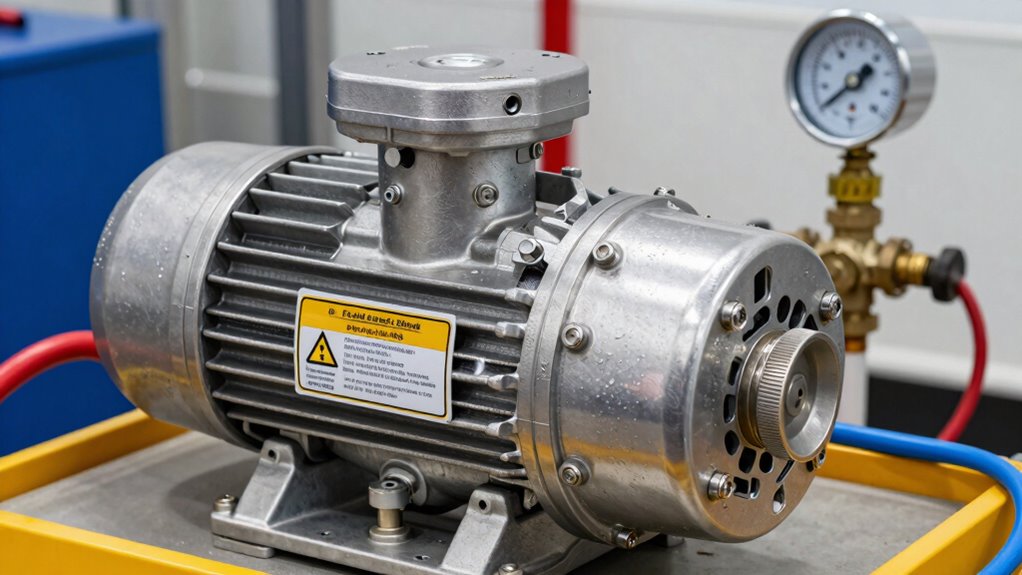
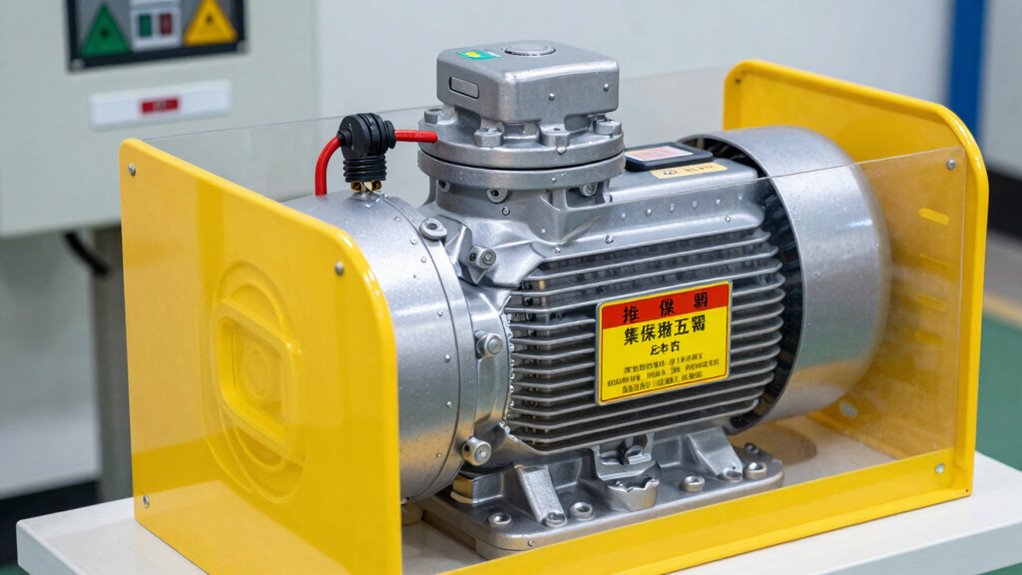
Have you ever wondered how pumps avoid damage during unexpected conditions? It’s a common concern, especially since pumps are integral to many industrial and residential systems. Fortunately, modern pump protection features are designed to keep your equipment safe and running smoothly, even when conditions aren’t ideal. Among these features, thermal overload protection and voltage regulation play critical roles. Thermal overload sensors monitor the motor’s temperature continuously, and if the motor begins to overheat due to heavy loads or poor ventilation, the system automatically shuts the pump down. This prevents the motor windings from burning out or suffering permanent damage, saving you costly repairs and downtime. It’s like having a safeguard that steps in before a small issue becomes a major failure.
Thermal overload sensors prevent motor damage by automatically shutting down during overheating, saving costly repairs and downtime.
Voltage regulation is another essential feature that shields your pump from electrical inconsistencies. Power supplies can fluctuate due to grid issues or other electrical disturbances, which can cause the pump to operate under abnormal conditions. Voltage regulation ensures that the motor receives a steady, appropriate level of voltage, preventing issues such as electrical stress or insufficient power that could lead to overheating or inefficient operation. When voltage drops or surges occur, the regulation system adjusts accordingly, maintaining superior performance and protecting your pump’s electrical components. Without this feature, your pump might experience frequent failures, reduced lifespan, or even catastrophic damage caused by unstable power conditions.
Beyond thermal overload and voltage regulation, many pumps also incorporate features like overload relays, phase failure protection, and dry running protection. Overload relays detect excessive current draw and trip the pump before it overheats or sustains damage. Phase failure protection prevents operation if one of the three phases in a three-phase motor drops out, avoiding uneven stress on the motor windings. Dry running protection automatically shuts off the pump if the liquid level drops too low, preventing dry motor operation that could quickly lead to burnout. Additionally, power supply stability is crucial for maintaining consistent operation and protecting your equipment from electrical fluctuations. Ensuring proper electrical safeguards are in place can significantly extend the lifespan of your pump and prevent costly downtime. Recognizing the importance of preventive maintenance can further enhance the effectiveness of these protection features. This comprehensive approach to pump protection helps to minimize operational disruptions and prolong equipment life, providing added peace of mind for users.
thermal overload protection for pumps
As an affiliate, we earn on qualifying purchases.
As an affiliate, we earn on qualifying purchases.
Frequently Asked Questions
Can Pump Protection Features Prevent All Types of Pump Failures?
Pump protection features can’t prevent all types of pump failure because of their protection limitations. While these features help guard against issues like dry running, overpressure, or overheating, they can’t fully eliminate problems caused by wear and tear, poor installation, or external damage. You should still perform regular maintenance and inspections, as relying solely on protection features may leave your pump vulnerable to failures they aren’t designed to prevent.
How Often Should Pump Protection Systems Be Inspected or Maintained?
You should inspect and maintain your pump protection systems regularly—at least quarterly or according to the manufacturer’s recommended maintenance schedule. Skipping inspections can lead to unexpected failures, costly repairs, or downtime. Vigilance is key; keeping a consistent inspection frequency guarantees your pump protection features operate flawlessly, catching potential issues early. Don’t wait for a breakdown—stay proactive to safeguard your equipment and keep operations running smoothly.
Do These Features Increase the Initial Cost of Installing a Pump?
Yes, pump protection features can increase the initial cost of installation due to added components and advanced technology. However, these cost implications are often justified by enhanced reliability and reduced maintenance expenses over time. When considering installation, you should weigh these benefits against upfront costs, as protection features can prevent costly damage and downtime, ultimately saving you money and ensuring smoother pump operation in the long run.
Are Pump Protection Devices Compatible With All Pump Types?
You might think pump protection devices are compatible with all pump types, but compatibility considerations vary. Some devices work seamlessly with standard pumps, while others may face installation challenges or require adapters for specialized models. Always check manufacturer specifications and consult professionals to verify the protection device matches your pump’s design. This step helps avoid costly modifications and ensures your pump operates reliably and efficiently.
What Are the Signs That a Pump Protection Feature Has Been Activated?
You’ll notice system alerts or warning lights when a pump protection feature activates, signaling an issue. Common signs include unusual noises, reduced flow, or increased vibration. These indicators help you identify problems early, preventing damage. When protection features trigger, they often extend your pump’s lifespan by avoiding severe damage. Pay attention to these alerts, and promptly address any issues to keep your pump running smoothly and efficiently.
Conclusion
Without pump protection features, you risk costly damage and unexpected downtime—your pump’s failure could halt everything, leaving you stranded. But with these safeguards in place, you’re shielded from those sudden setbacks, ensuring smooth operation and peace of mind. It’s like having a safety net beneath a tightrope walker—without it, one misstep can be disastrous; with it, you can walk confidently, knowing you’re protected from the worst. Investing in protection means safeguarding your operation’s future.
Fall Picks
fall essentials
As an affiliate, we earn on qualifying purchases.