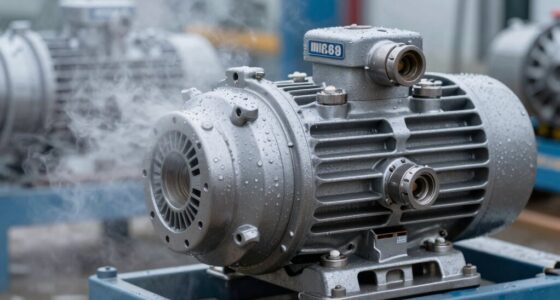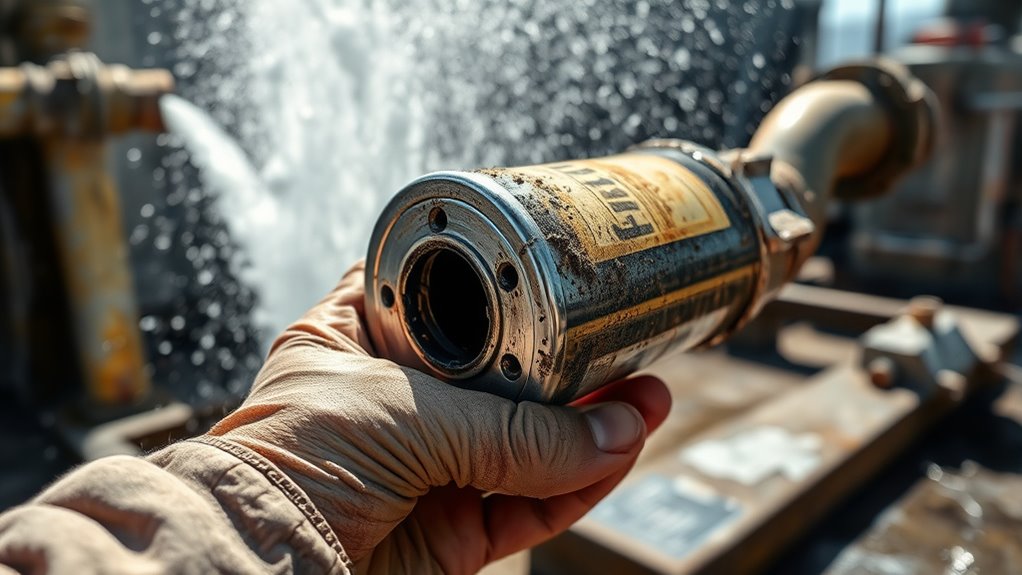

If your filter is clogging or spitting, start by turning off the equipment and inspecting the filter for dirt, debris, or buildup. Use a soft brush or compressed air to clean washable filters, and replace torn or overly worn ones quickly. Confirm the filter fits snugly with intact seals to prevent air leaks. Regular inspections and proper installation help prevent future issues. Keep going for more tips to manage these common problems efficiently.

Get business pricing on tools and workshop supplies
- Business-only prices and quantity discounts
- Tax-exempt purchasing
- Multiple users, one account, clear invoices
Key Takeaways
- Turn off the equipment and carefully remove the filter for inspection.
- Check for visible dirt, debris, or slimy buildup indicating clogging or spitting.
- Clean washable filters with water and a soft brush; replace damaged or worn filters promptly.
- Ensure the filter fits snugly, seals are intact, and reassemble securely to prevent leaks.
- Inspect surrounding components for obstructions and schedule regular maintenance to prevent future issues.
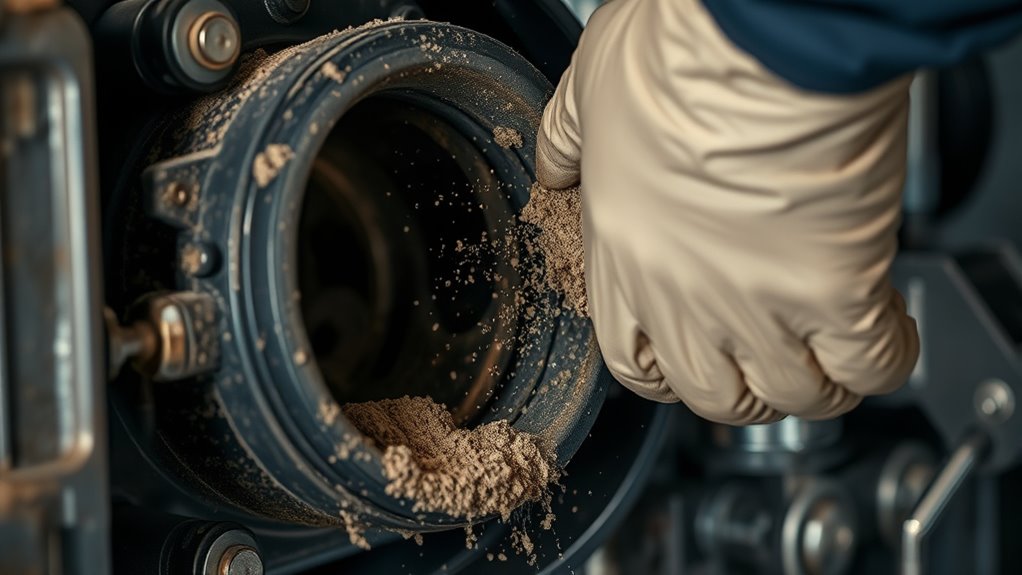
If your filter is clogging or spitting, it’s a clear sign that something needs attention. You can’t ignore these symptoms because they can lead to bigger problems, like system damage or poor performance. The good news is, many filter issues have quick, straightforward fixes you can do in the field. First, turn off the equipment to prevent any accidents or further damage. Then, carefully remove the filter from its housing. Inspect it closely—if it’s visibly dirty, clogged with debris, or has a slimy buildup, it’s time to clean or replace it.
Clogged or spitting filters indicate a need for cleaning or replacement to prevent system damage.
For filters that are just dirty but still intact, a thorough cleaning can often do the trick. Use a soft brush or compressed air to dislodge dirt and dust. If it’s a washable filter, rinse it gently with water, making sure to remove all debris. Avoid harsh chemicals unless the manufacturer specifically recommends them, as they can damage the filter material. Once cleaned, let the filter dry completely before reinstalling—moisture can cause mold or reduce filtration efficiency. If the filter is damaged, torn, or excessively worn, replacing it is the best option. Carry spare filters in your toolkit so you’re prepared for quick swaps on-site.
Sometimes, the problem isn’t just dirt. Spitting or sputtering can indicate improper installation or a misfit. Make sure your filter fits snugly into its housing and that seals are intact. An ill-fitting filter can cause air leaks, leading to noise, reduced airflow, and the spitting you’re experiencing. When reinstalling, double-check that the filter is seated properly and that any clamps or fasteners are secure. This ensures a tight seal, restoring proper airflow and preventing debris from bypassing the filter.
If these steps don’t resolve the issue, check the surrounding components. Blockages further down the line or a malfunctioning fan can cause pressure buildup, which manifests as spitting. Clear any obstructions and verify that all parts are functioning correctly. Regular maintenance, like scheduled filter replacements and inspections, minimizes these problems over time. Remember, catching issues early saves you time and money in the long run. Keeping your filters clean and in good repair ensures efficient operation, reduces wear on the system, and prolongs its lifespan. Quick field fixes like cleaning, proper installation, and timely replacements are your best tools for handling filter-related problems efficiently. Additionally, understanding industry transformations can help in selecting more durable and efficient filter solutions for future use.
washable air filter cleaning kit
As an affiliate, we earn on qualifying purchases.
As an affiliate, we earn on qualifying purchases.
Frequently Asked Questions
Can Filter Clogs Cause Equipment Damage Over Time?
Yes, filter clogs can cause equipment damage over time. When filters become blocked, they restrict flow and force your equipment to work harder, which can lead to overheating, increased wear, and eventual component failure. Regularly checking and replacing filters prevents these issues, ensuring your machinery runs efficiently and lasts longer. Don’t ignore clogged filters, as the long-term damage can be costly and hard to repair.
How Often Should I Replace Filters to Prevent Clogs?
Think of your filter as the heartbeat of your equipment’s health; replace it before it struggles. Generally, you should change filters every 3 to 6 months, but this varies based on usage and environment. Regular checks help you catch clogs early, preventing damage. If you notice reduced performance or increased noise, it’s time for a change. Staying proactive keeps your equipment running smoothly and extends its lifespan.
Are There Eco-Friendly Options for Replacing Clogged Filters?
Yes, you can choose eco-friendly filters made from sustainable materials like bamboo, activated carbon, or recycled fibers. Look for filters labeled biodegradable or recyclable, and avoid single-use plastic options. These environmentally conscious choices help reduce waste and your carbon footprint. When replacing filters, opt for reusable or compostable versions whenever possible, and always follow manufacturer guidelines to guarantee proper filtration and environmental impact.
What Tools Are Best for Cleaning Stubborn Filter Deposits?
You’ll want a sturdy brush, a garden hose with good pressure, and maybe a mild detergent for stubborn deposits. Ironically, the simplest tools often do the trick—don’t overlook a toothbrush or a soft scrubbing brush for tight spots. For tougher buildup, a plastic scraper or even a vinegar soak can do wonders. Just remember, patience and gentle techniques prevent damage and make cleaning easier.
Can Improper Filter Maintenance Affect Overall System Efficiency?
Yes, improper filter maintenance can considerably reduce your system’s efficiency. When filters aren’t cleaned or replaced regularly, they become clogged, restricting airflow or fluid flow. This causes your system to work harder, increasing energy consumption and wear on components. Over time, it can lead to system failures or costly repairs. Regular maintenance ensures filters stay clear, keeping your system running smoothly and efficiently, saving you energy and money.
Conclusion
So, next time your filter clogs or spits, don’t rush to replace it. Sometimes, a quick fix saves the day—and your wallet. Ironically, those simple tricks you overlook could be the very solution you need, yet you’re tempted to toss it all away. Remember, patience and a little know-how often beat costly replacements. After all, in the world of field repairs, the easiest fix is usually hiding right beneath your nose—waiting to surprise you.
Fall Picks
fall essentials
As an affiliate, we earn on qualifying purchases.