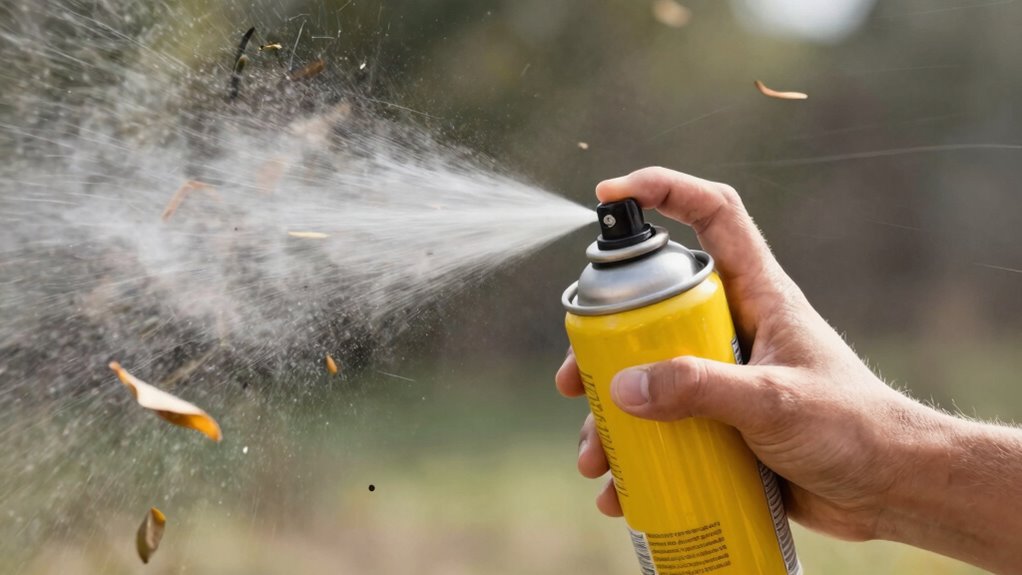

Spraying chemicals on windy days quickly becomes a safety problem because wind can unpredictably blow chemicals off course, putting nearby people, animals, and the environment at risk. Gusts can cause spray drift, increasing the chances of exposure and environmental damage. The unpredictable nature of wind makes it hard to control where chemicals land. To reduce the hazards, you need to understand how wind affects spray patterns and take precautions—there’s more to take into account to keep everyone safe.

Get business pricing on tools and workshop supplies
- Business-only prices and quantity discounts
- Tax-exempt purchasing
- Multiple users, one account, clear invoices
Key Takeaways
- Wind can blow chemicals off course, increasing the risk of unintended exposure to humans, animals, and sensitive environments.
- Gusty conditions cause spray equipment to become unstable, reducing control and accuracy during application.
- Rapidly changing wind speeds can cause unpredictable spray drift, making it hard to contain chemicals safely.
- Handling sprayers in high wind raises the chance of spills, leaks, or equipment damage.
- Lack of weather awareness can lead to spraying during unsafe conditions, heightening health and environmental hazards.
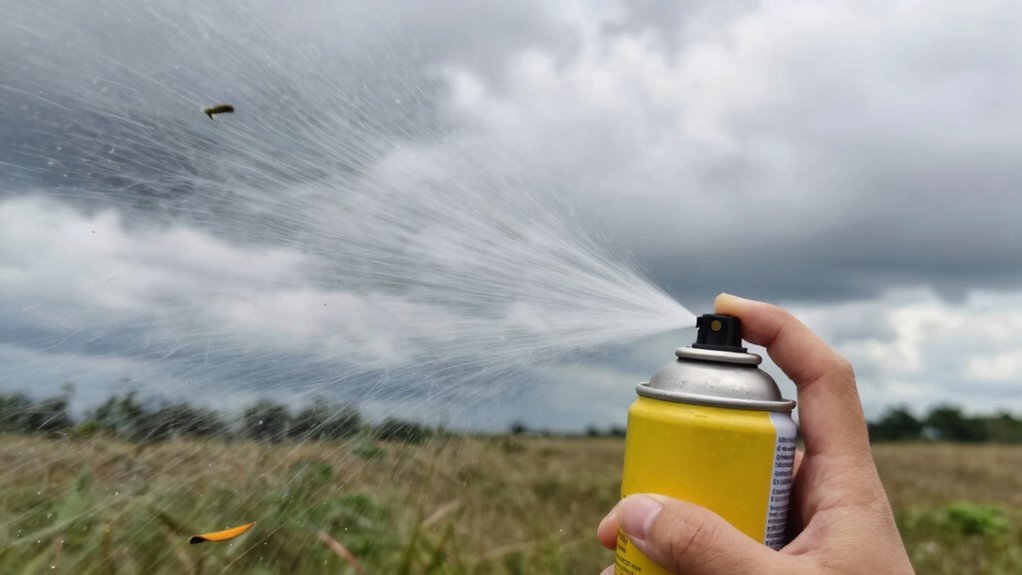
On windy days, spraying pesticides or other chemicals can pose serious safety risks that are often overlooked. When the wind picks up, it doesn’t just carry your spray away—it can create a phenomenon called wind drift, where chemicals are blown off course and end up where they shouldn’t be. This isn’t just a matter of waste or environmental damage; it directly puts you and nearby people or animals in danger. Wind drift can cause harmful substances to land on unintended targets, including your neighbors’ properties or sensitive ecosystems, increasing the risk of exposure and health problems. It’s easy to underestimate how quickly wind can change the direction and speed of spray, making it unpredictable and dangerous.
Windy days increase the risk of drift, endangering people, animals, and the environment. Use caution or delay spraying.
Beyond the problem of wind drift, equipment hazards become more prominent in windy conditions. When you operate spray equipment in gusty weather, you face the risk of losing control. Wind can cause your sprayer to sway or jerk unexpectedly, making it harder to maintain a steady, precise application. This not only reduces effectiveness but also increases the chance of accidental spills or leaks. The force of the wind can also cause spray nozzles to malfunction or clog, especially if debris gets blown into the equipment. Handling sprayers in high winds demands heightened awareness; otherwise, you risk damaging your equipment or causing a hazardous spray release. proper equipment maintenance is crucial to prevent malfunctions during windy conditions and ensure safety. It’s also important to be aware of weather forecasts to better plan your spraying schedule and minimize risks. Recognizing how wind can affect spray patterns helps in making informed decisions to protect yourself and the environment. Additionally, understanding chemical properties can help you determine how chemicals behave in windy conditions, further reducing potential hazards. Being aware of wind speed and how it influences spray dispersion can help you choose the safest times to apply chemicals, reducing the likelihood of unintended exposure.
As an affiliate, we earn on qualifying purchases.
Frequently Asked Questions
How Can I Tell if Weather Conditions Are Too Windy for Spraying?
You can tell if weather conditions are too windy for spraying by checking the wind speed, which should ideally be below 10 mph. Use weather forecasting tools or apps to monitor current conditions before starting. If the forecast predicts higher wind speeds or gusts, it’s best to delay spraying. Wind increases drift risk and reduces effectiveness, making it unsafe to proceed. Always prioritize safety and proper weather assessment.
Are There Specific Times of Day When Wind Is Less Hazardous?
You should spray during times when wind speed measurement shows lower levels, typically in the early morning. Morning wind patterns tend to be calmer, reducing the risk of drift. Check local weather reports and use a wind meter if possible. Avoid spraying when wind speeds exceed safe limits, especially during midday when winds often pick up. Timing your spraying for calm, early hours helps guarantee safety and effectiveness.
What Personal Protective Equipment Is Most Effective in Windy Conditions?
In windy conditions, you should wear protective eyewear to shield your eyes from airborne particles and respiratory masks to prevent inhaling harmful sprays. Make sure the masks fit snugly to maximize protection. These PPE items are most effective when used together, especially during gusty days, to reduce exposure and safeguard your health. Always double-check your equipment for proper fit and condition before spraying in windy weather.
How Should I Clean Equipment After Spraying on a Windy Day?
After spraying on a windy day, you should thoroughly clean your equipment to prevent chemical residue buildup and guarantee proper equipment maintenance. Rinse all parts with clean water immediately after use, paying special attention to nozzles and filters. Use appropriate cleaning agents if necessary, and dry equipment properly before storing. This routine helps avoid clogging, preserves equipment longevity, and reduces the risk of accidental chemical exposure or contamination during future use.
Can Wind-Spin or Spray Drift Cause Health Issues Long-Term?
Wind-spin or spray drift can indeed cause long-term health issues, especially if you’re exposed repeatedly. Think of it like a slow leak filling a bucket—small doses of chemical exposure over time can damage your respiratory health. Persistent inhalation of drift particles may lead to chronic respiratory problems or other health complications. Always wear protective gear and minimize drift to protect yourself from these hidden dangers lurking in the wind.
Conclusion
When you spray on a windy day, you’re risking a safety disaster that can escalate faster than a wildfire. Tiny droplets can suddenly become projectiles, endangering everyone nearby and contaminating unintended areas. Don’t let a gust turn your careful work into chaos—pay close attention to the weather. Protect yourself and others by waiting for calmer days. Otherwise, a small mistake could snowball into a catastrophe that’s hard to control, and nobody wants that kind of headache.
Fall yard work Picks
leaf blowers
As an affiliate, we earn on qualifying purchases.