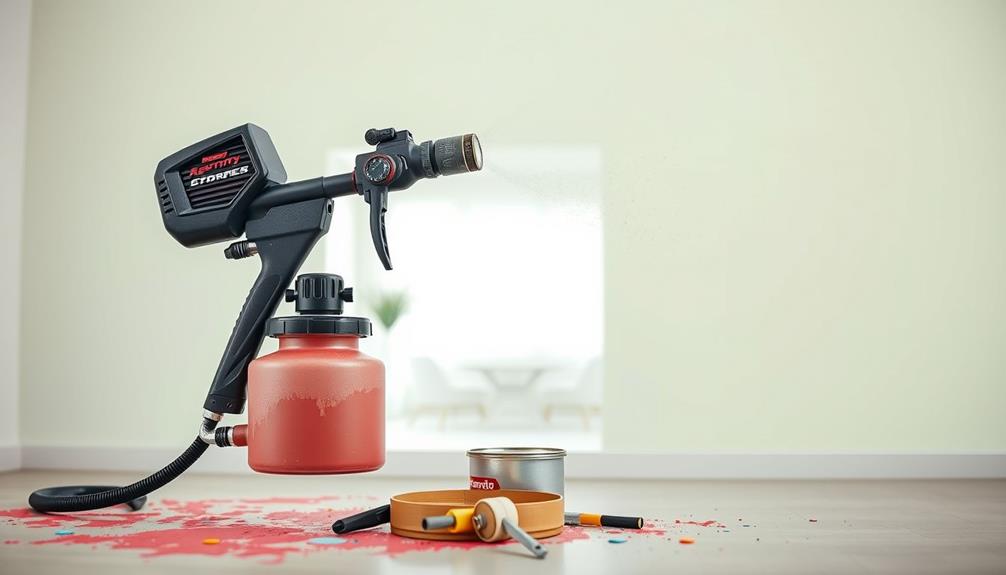
To speak like a pro when using an airless sprayer, you need to understand key terms like pressure rating (PSI), which affects spray force and speed; flow rate, determining how fast paint flows; tip size, impacting the finish and coverage; pressure control, for consistent results; and hose diameter and length, influencing performance and reach. Mastering these concepts helps you select and operate your sprayer efficiently. Keep going, and you’ll get even more insights to boost your skills.
Key Takeaways
- Understand PSI as the maximum pressure a sprayer can generate for efficient atomization and coverage.
- Know flow rate to balance speed and control based on project size and detail needs.
- Recognize tip size to match spray pattern and material thickness for optimal finish.
- Use pressure control to adjust spray consistency and prevent uneven coverage or runs.
- Consider hose diameter and length to maintain consistent pressure and extend reach during spraying tasks.
Ever wondered what all those technical terms mean when it comes to airless sprayers? If you’re new to the world of painting equipment, the jargon can seem overwhelming. But understanding these terms is key to speaking like a pro and making the best choices for your projects. Let’s break down some common airless sprayer terms so you can get comfortable *steering* the language.
First, you’ll often hear about the pressure rating. This refers to the maximum pressure the sprayer can generate, usually measured in PSI (pounds per square inch). Higher pressure means more force to atomize paint into fine droplets, allowing for faster coverage on large surfaces. But be cautious—using a sprayer with a pressure rating beyond what your project requires can lead to overspray and wasted material.
Next, there’s the flow rate. This indicates how much paint the sprayer delivers per minute, often in gallons. A higher flow rate is ideal for big jobs, like exterior siding or ceilings, because it speeds things up. Conversely, for detail work or small areas, a lower flow rate gives you more control and precision.
A higher flow rate speeds large projects; lower flow rates offer better control for detailed work.
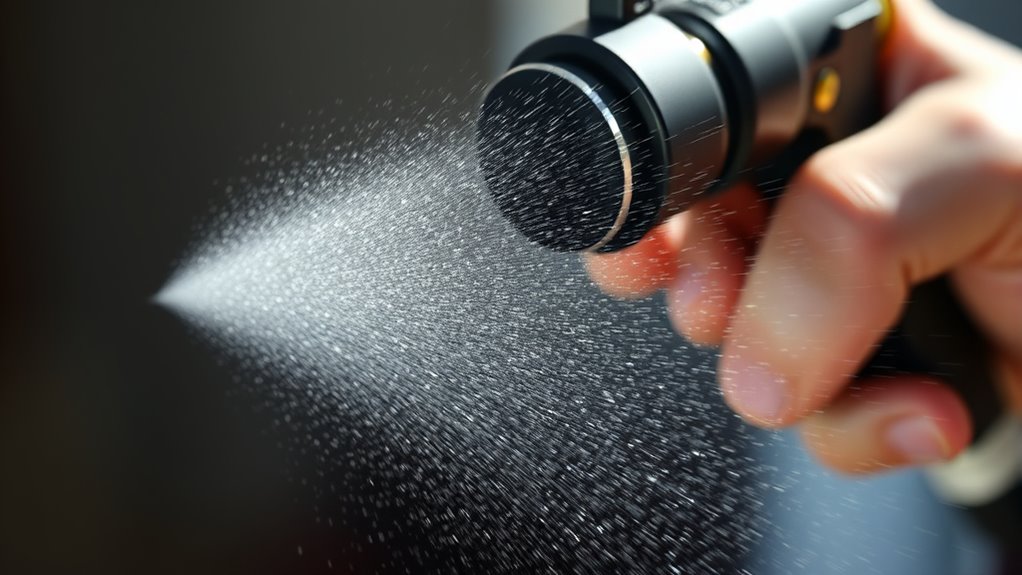
You’ll also encounter the term tip size, which is *vital* for achieving the right spray pattern and finish. Tip sizes are measured in thousandths of an inch, such as 0.011 or 0.015. A smaller tip produces a finer spray suitable for detail work or thinner paints, while a larger tip covers more surface area and handles thicker coatings. Choosing the right tip size affects not just your speed but also the quality of the finish.
The pressure control feature is another important term. It allows you to adjust the pressure output of your sprayer, giving you control over spray consistency and paint atomization. This control helps prevent issues like runs or uneven coverage, especially when working with different materials or surfaces.
Finally, pay attention to hose diameter and length. A larger diameter hose reduces pressure loss, ensuring consistent spray performance, especially over longer distances. Longer hoses give you more flexibility to move around your project, but they can also introduce pressure drops, so selecting the right length and diameter balances reach with performance.
To optimize your spraying performance, understanding how the airless sprayer’s pressure rating interacts with your project needs is essential for achieving professional results.

VEVOR 750W Stand Airless Paint Sprayer,3000PSI High Efficiency Electric
- Powerful Motor: 750W motor with 3000 PSI pressure
- Fast Coverage: Up to 5x faster than rolling
- Smooth Painting: Flow rate of 1.2 LPM for continuous work
As an affiliate, we earn on qualifying purchases.
As an affiliate, we earn on qualifying purchases.
Frequently Asked Questions
How Do I Choose the Right Airless Sprayer for My Project?
To pick the right airless sprayer for your project, consider the size and scope. For small jobs, a portable sprayer with lower pressure works well. For larger projects, choose a high-output model with higher gallons per minute and pressure capacity. Think about the type of coating, surface, and your experience level. Match the sprayer’s specifications to your needs, and don’t forget to check for ease of use and durability.
What Safety Precautions Are Necessary When Using an Airless Sprayer?
Did you know that improper use of airless sprayers causes over 50% of related injuries? When using one, always wear protective gear—gloves, goggles, and a mask—to prevent paint or debris from harming you. Keep the sprayer on stable ground, avoid pointing it at yourself or others, and guarantee proper ventilation. Read the manufacturer’s instructions carefully, and never bypass safety features to stay safe on the job.
Can I Use Different Types of Paint With the Sprayer?
Yes, you can use different types of paint with your airless sprayer, but you need to verify the manufacturer’s recommendations first. Thinner paints like stains or lacquers work well, while thicker paints may require thinning or a different nozzle. Always clean your sprayer thoroughly after switching paints to prevent clogs and guarantee consistent results. Adjust your pressure settings as needed to match the paint type for the best finish.
How Often Should I Clean and Maintain My Airless Sprayer?
You should clean and maintain your airless sprayer after every use to guarantee optimal performance. Rinse the system thoroughly with water or the appropriate solvent, depending on your paint type. Regularly check and replace filters, inspect hoses, and lubricate moving parts as recommended by the manufacturer. Proper maintenance prevents clogs, extends equipment lifespan, and keeps your sprayer working smoothly for your next project.
What Common Issues Occur With Airless Sprayers and How to Fix Them?
Ever wonder why your airless sprayer isn’t working smoothly? Common issues include clogged filters, uneven spray patterns, and loss of pressure. To fix these, check and clean filters regularly, ensure the tip isn’t clogged, and inspect hoses for leaks. If pressure drops, consider replacing worn parts. Staying proactive with maintenance prevents problems and keeps your sprayer running efficiently, saving you time and frustration on your projects.
Conclusion
Think of mastering airless sprayer terms as learning the secret language of a skilled musician. Once you understand the notes and rhythms, you’ll play your projects with confidence and finesse. With each term you grasp, you’re tuning your skills, turning what once seemed complex into a harmonious flow. Keep practicing, stay curious, and soon you’ll be conducting your painting masterpiece like a true pro—music to your eyes and paint to your walls.